Routes, Drive Times & Road Tips to Big BendBig Bend sits deep in far West Texas. Whether you’re coming from El Paso, Midland/Odessa, San Antonio, Austin, Houston, or Dallas/Fort Worth, choose the route that matches your arrival town and the part of the park you want...
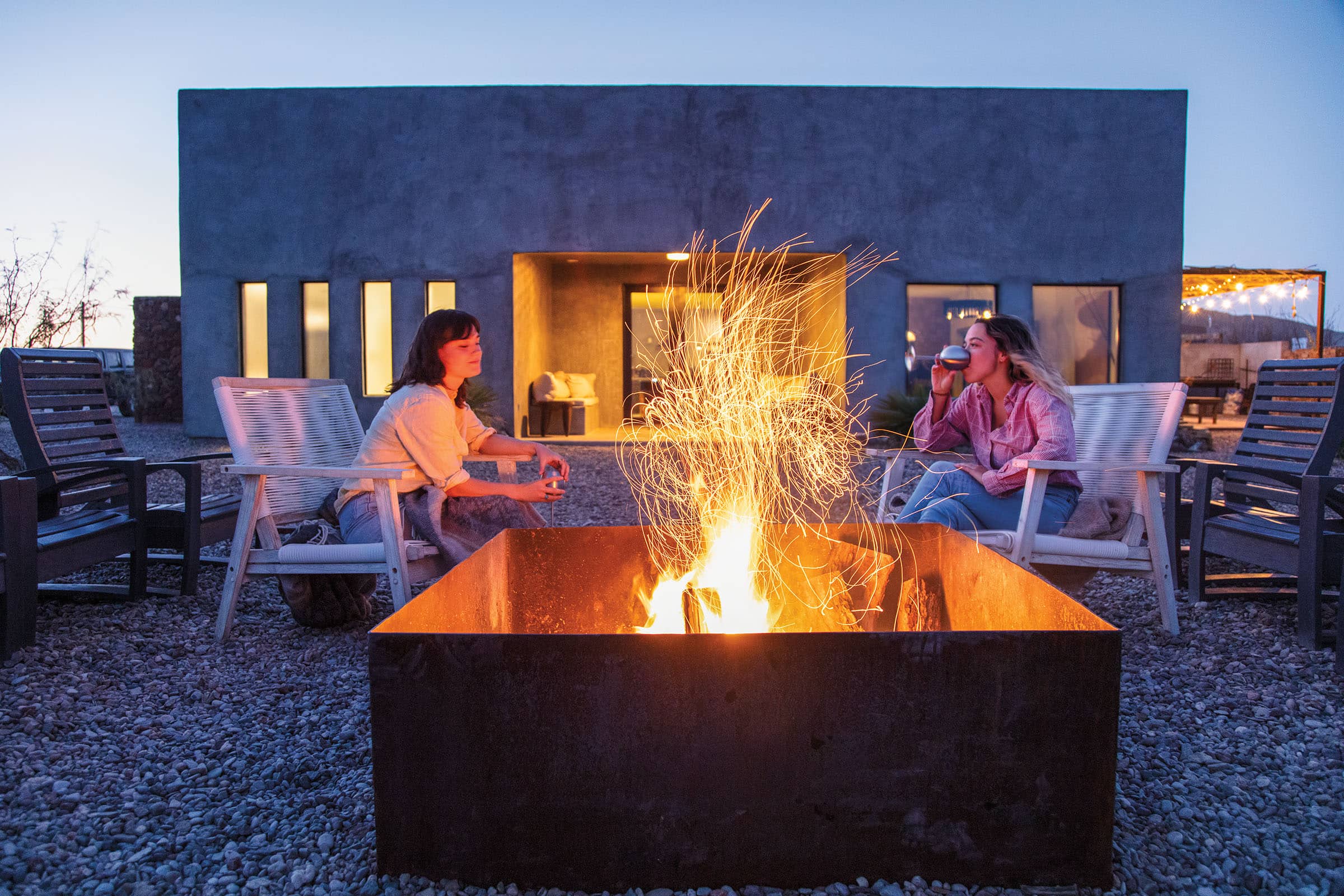
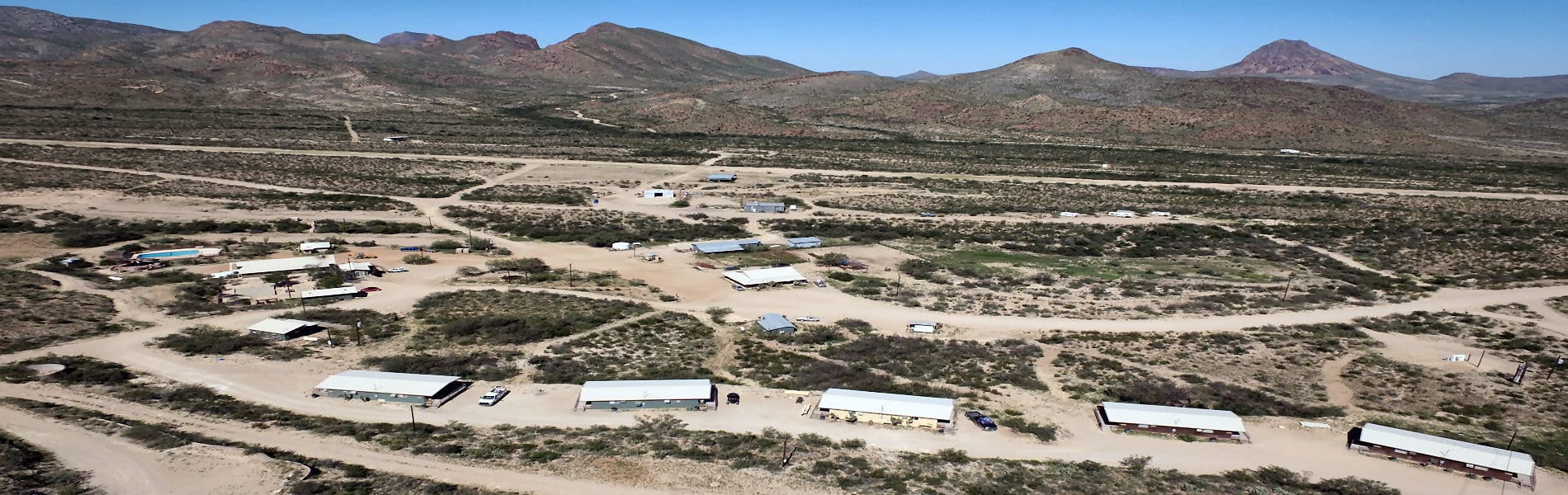
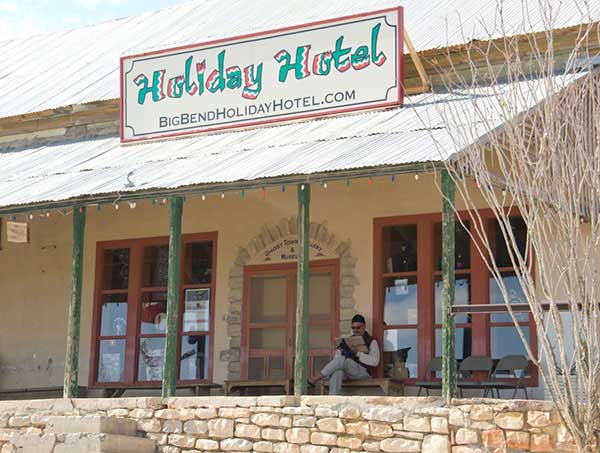
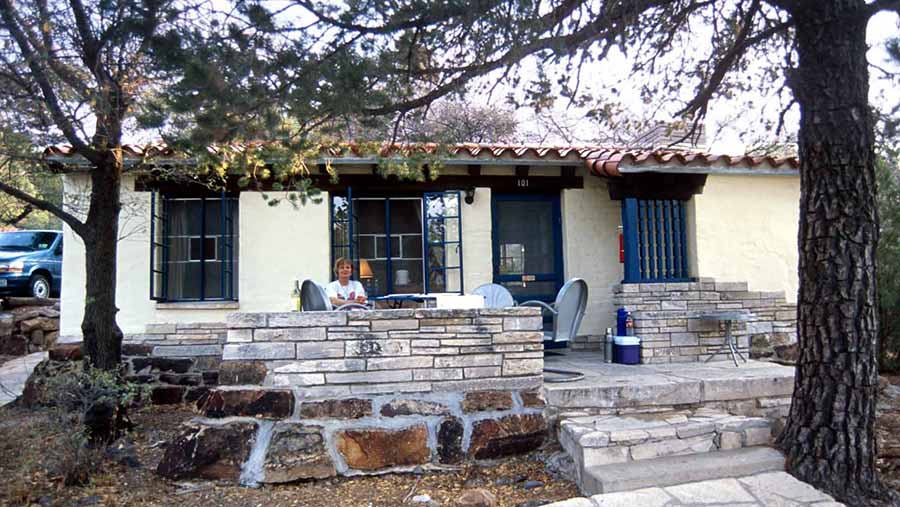
Iconic Landscape in Far West Texas
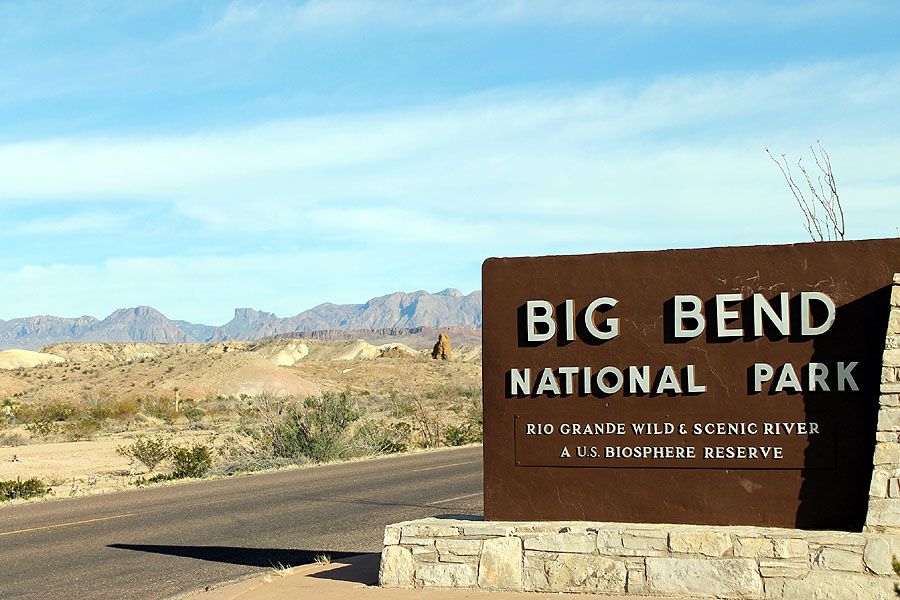
Big Bend National Park
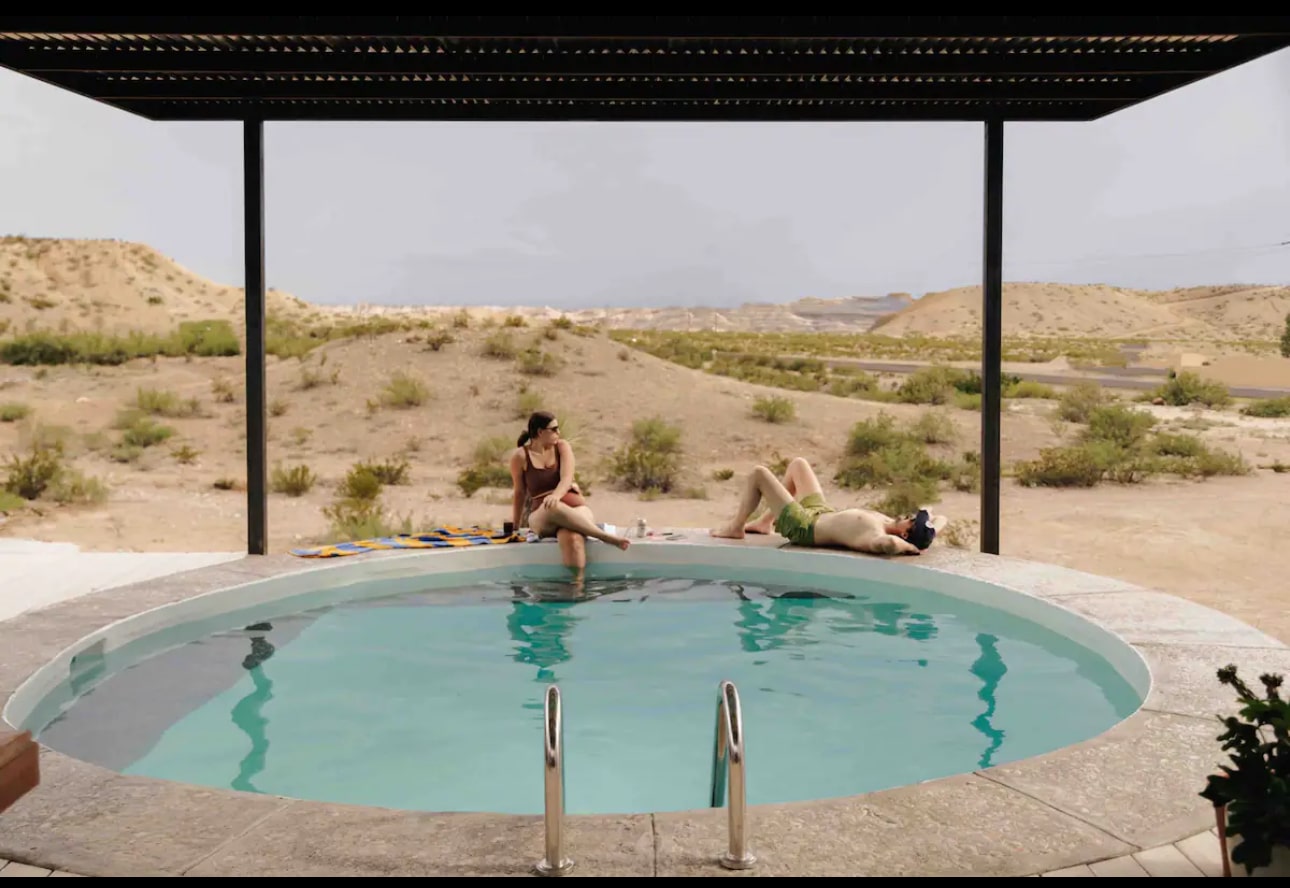
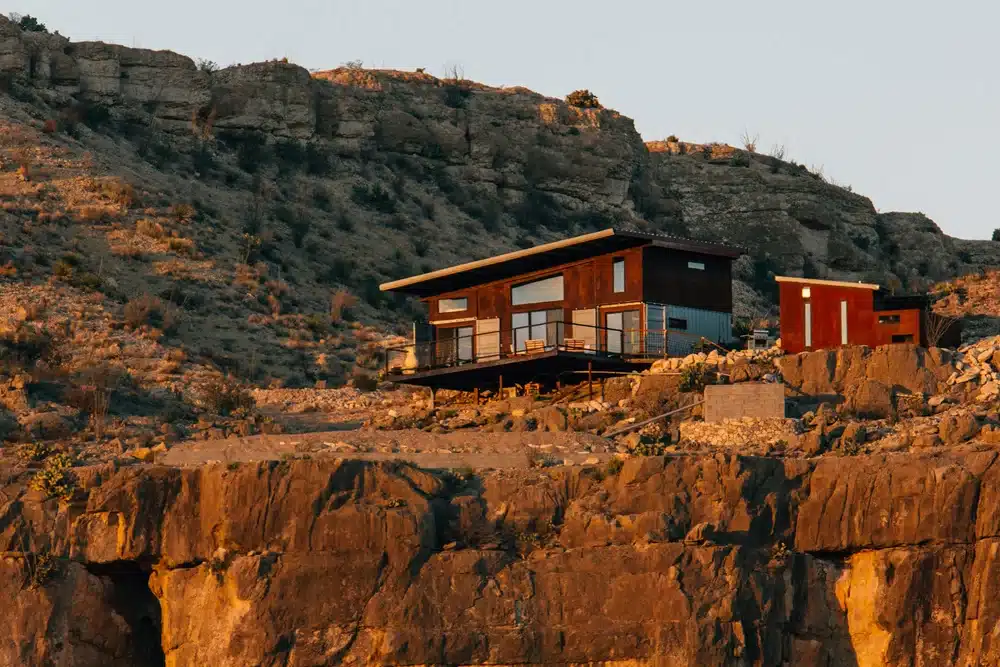
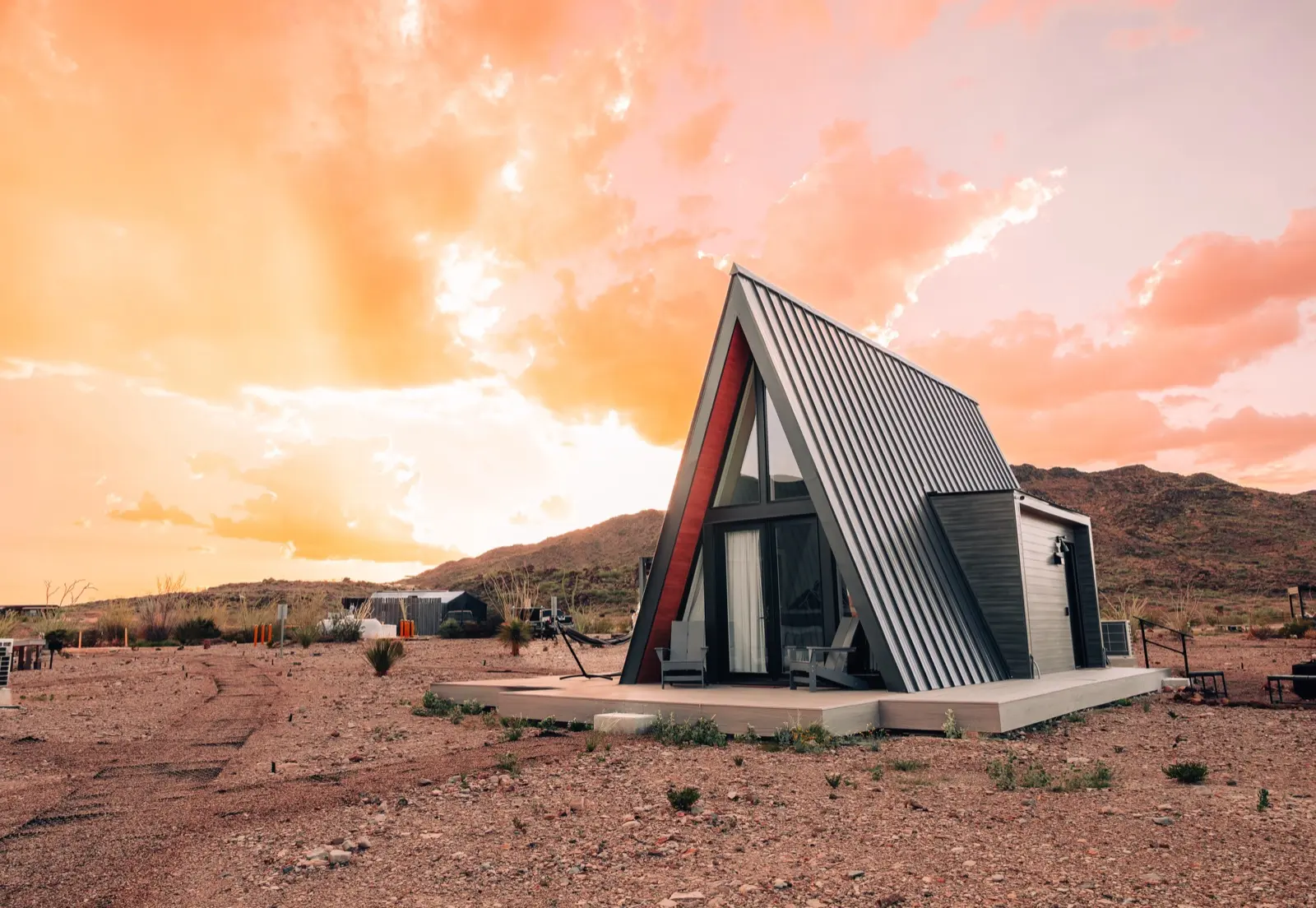
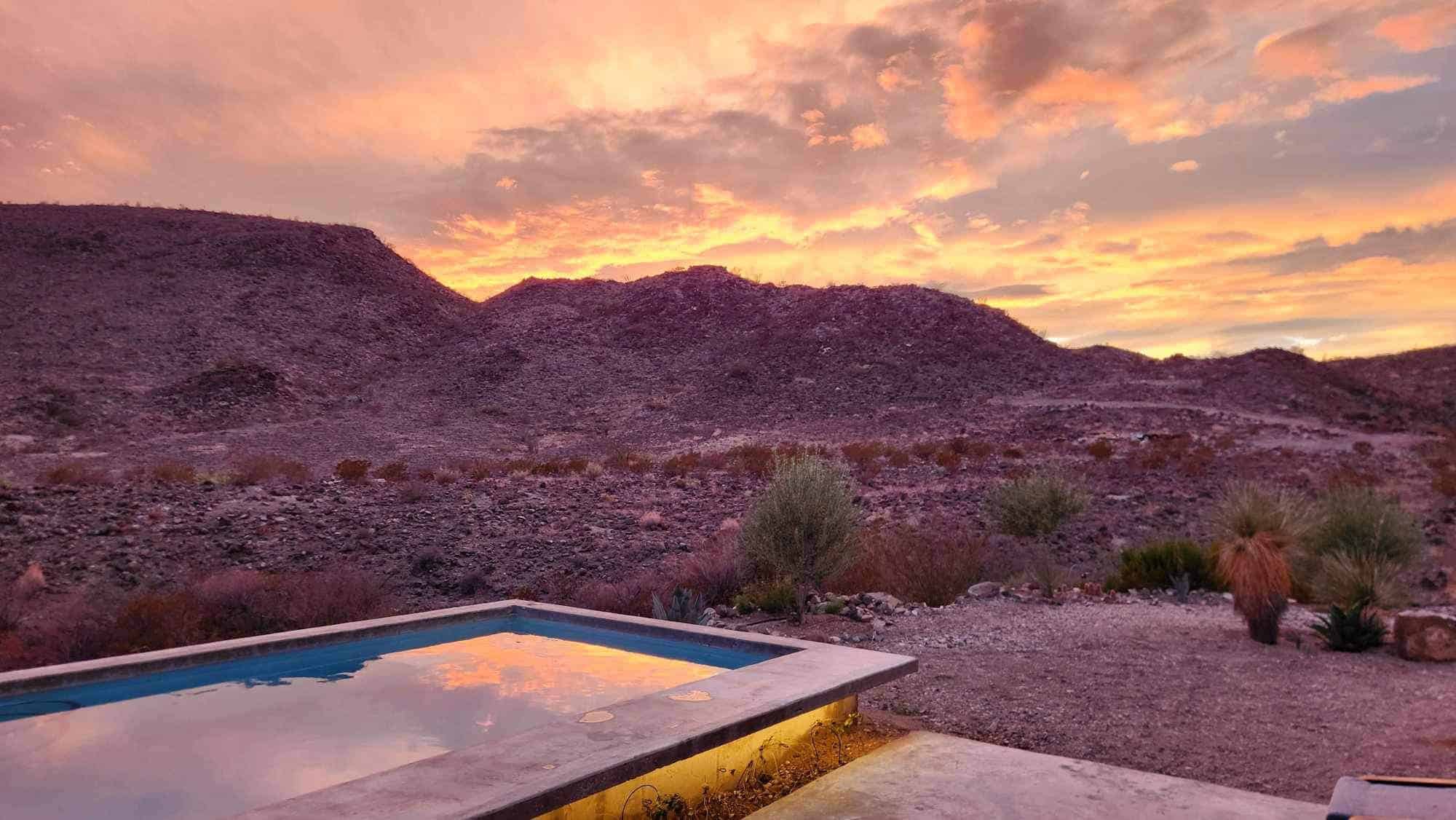
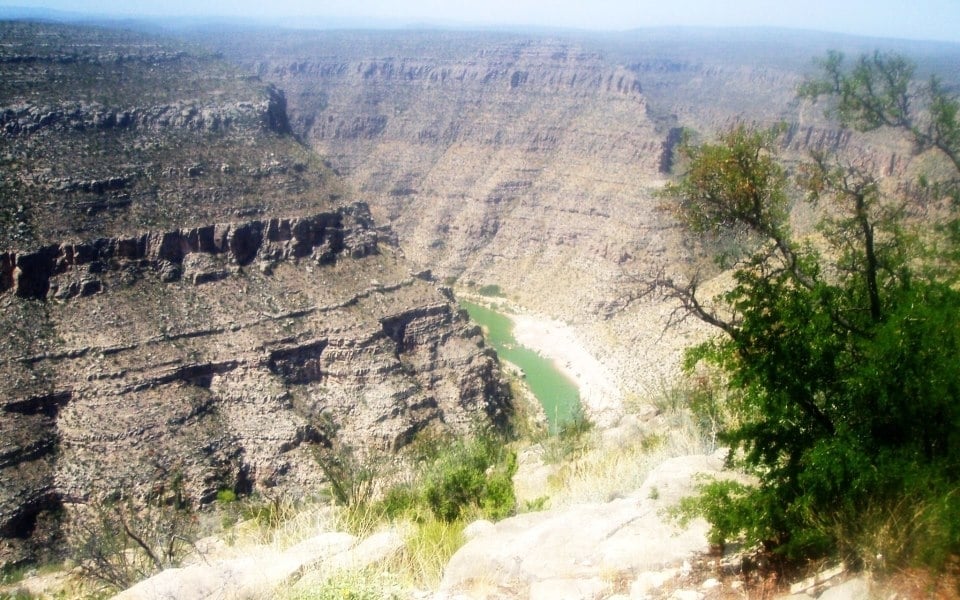
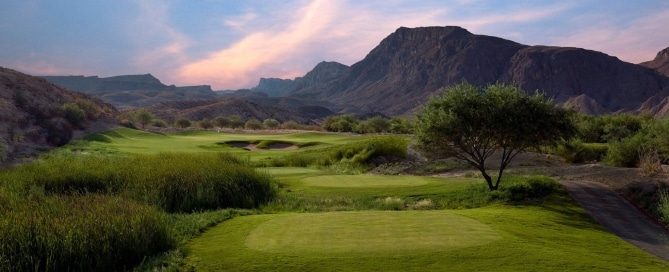
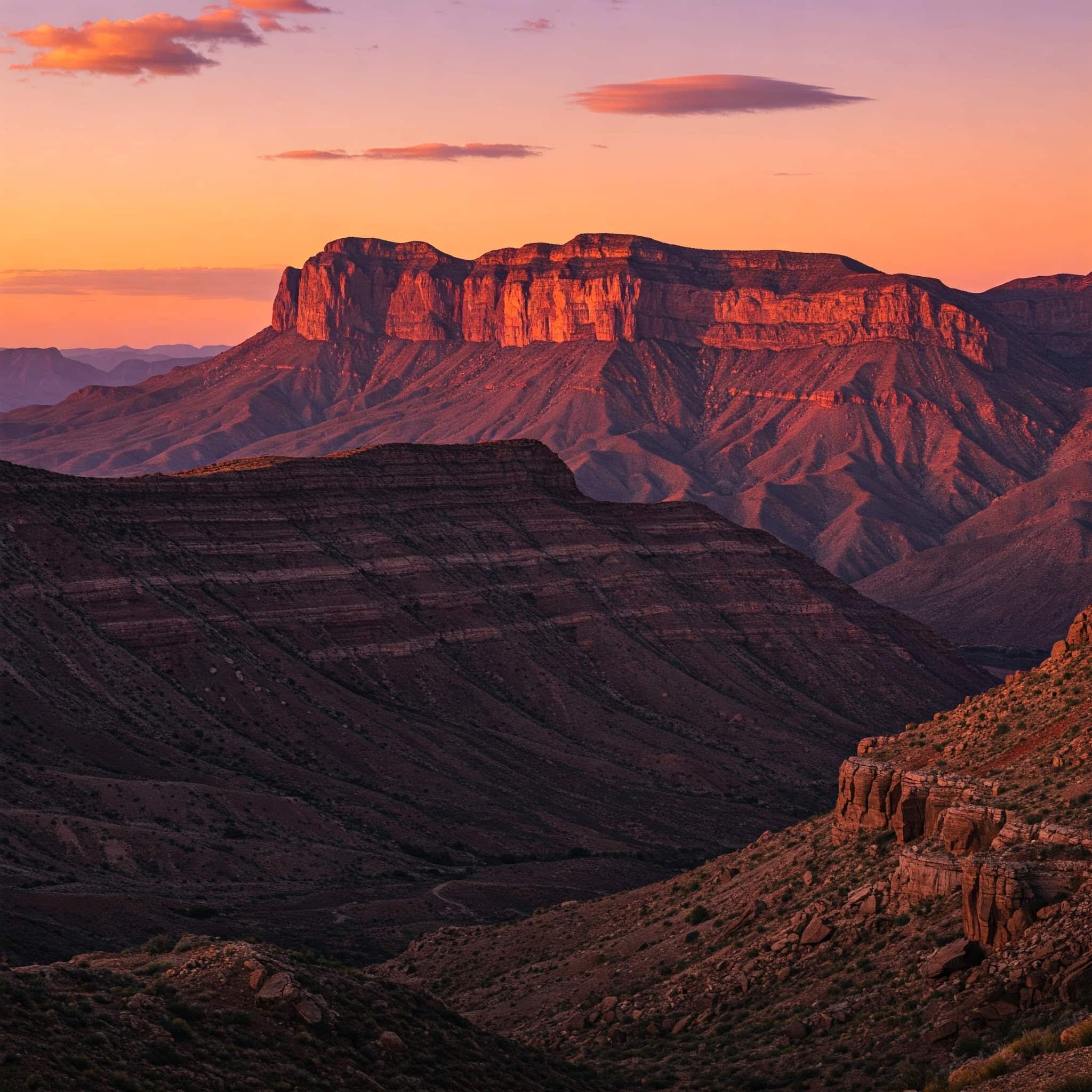
Welcome to Big Bend National Park, one of the most extraordinary and remote landscapes in the United States. Located in far West Texas along a sweeping curve of the Rio Grande, the park is known for its desert expanses, mountain peaks, river canyons, wildlife, dark skies, and the feeling of true distance from the ordinary.
Big Bend is the centerpiece of the region and the reason many travelers make the journey west. The park brings together the Chisos Mountains, the Chihuahuan Desert, and the Rio Grande corridor in one protected landscape that feels both immense and deeply personal once you are inside it.
Some visitors come for hiking. Others come for scenic drives, photography, camping, wildlife watching, or simply to stand in a place that still feels wild. What makes Big Bend so special is that it offers all of those experiences on a scale that is hard to match.
At a Glance
Best Known For
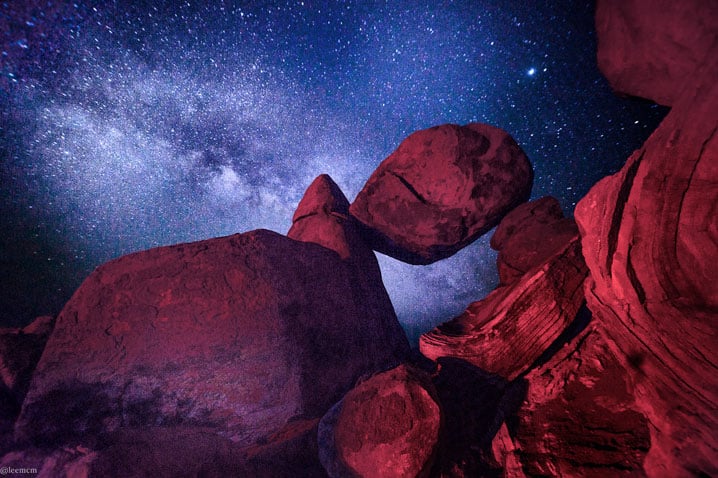
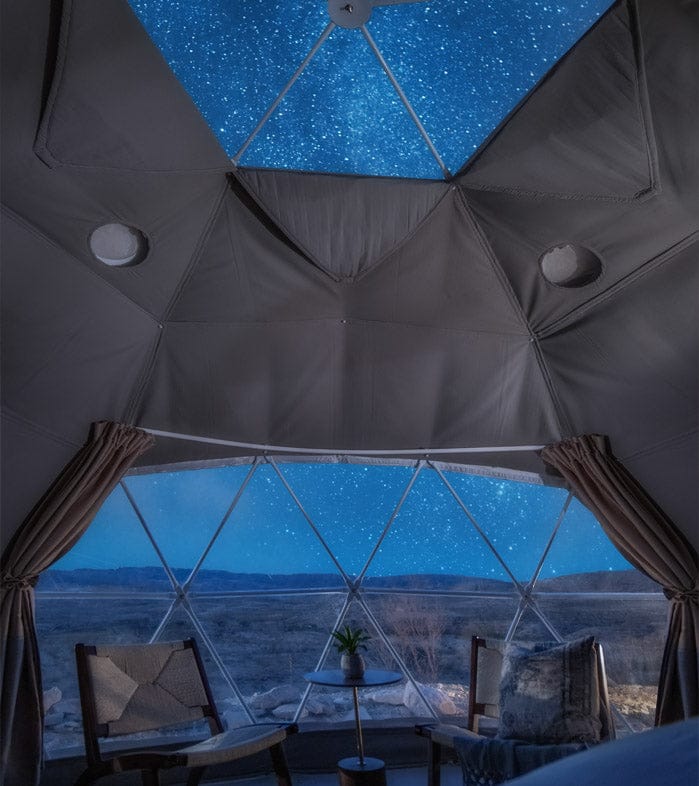
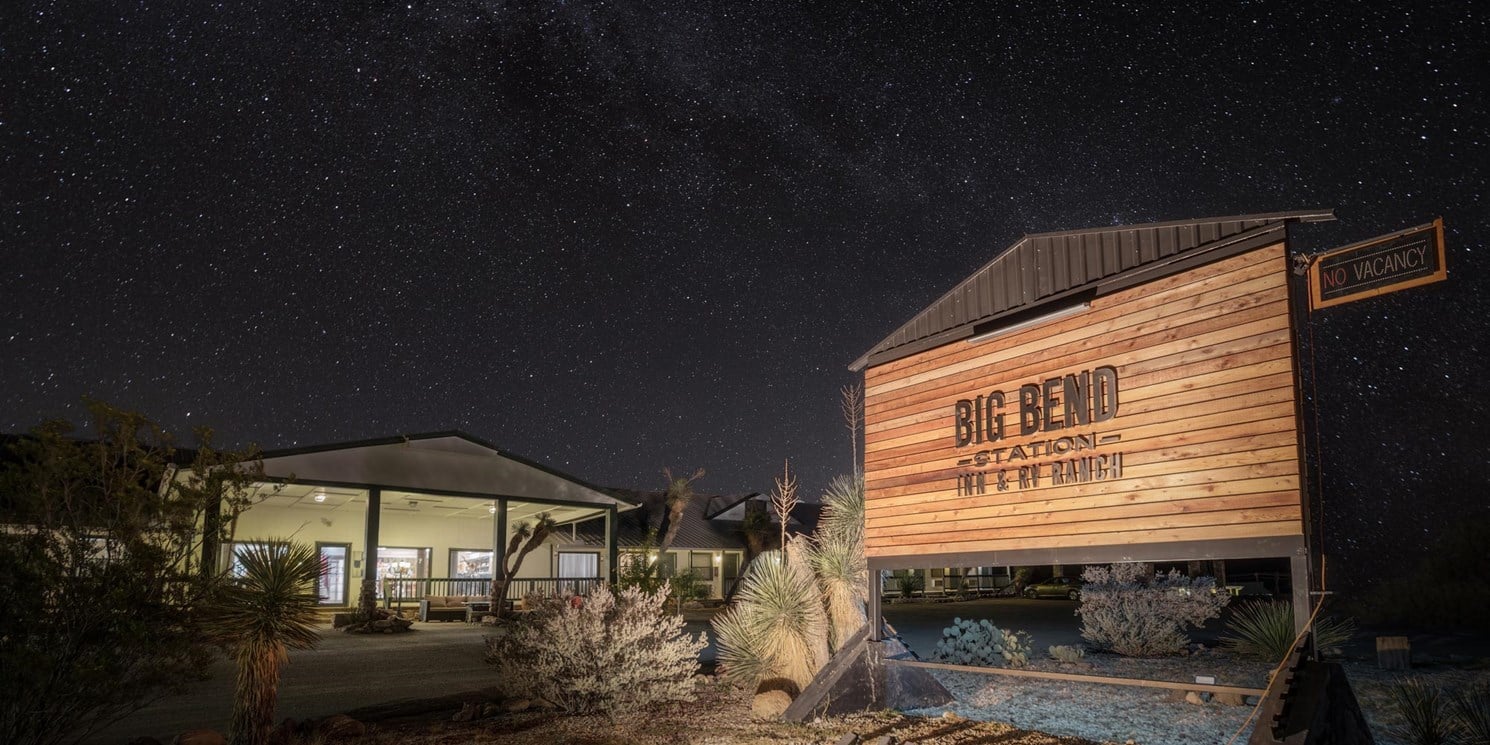
Vast desert scenery, the Chisos Mountains, the Rio Grande, canyon views, hiking, camping, and some of the darkest night skies in the country.
Location
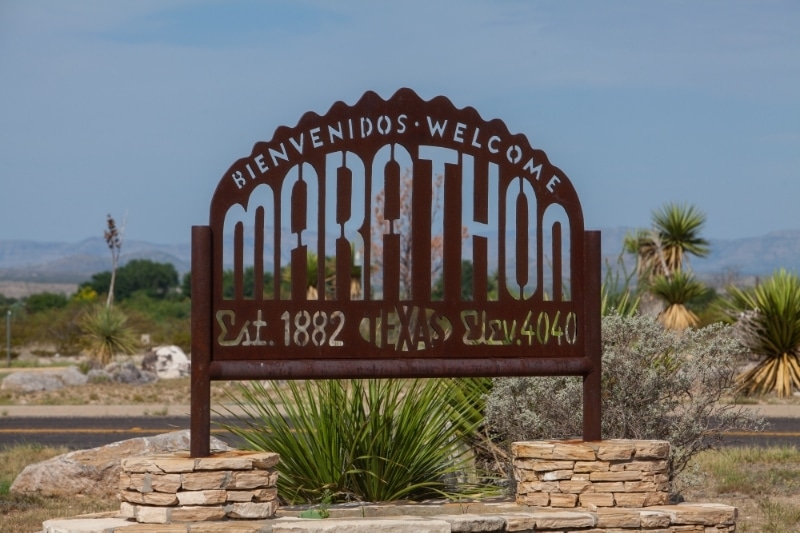
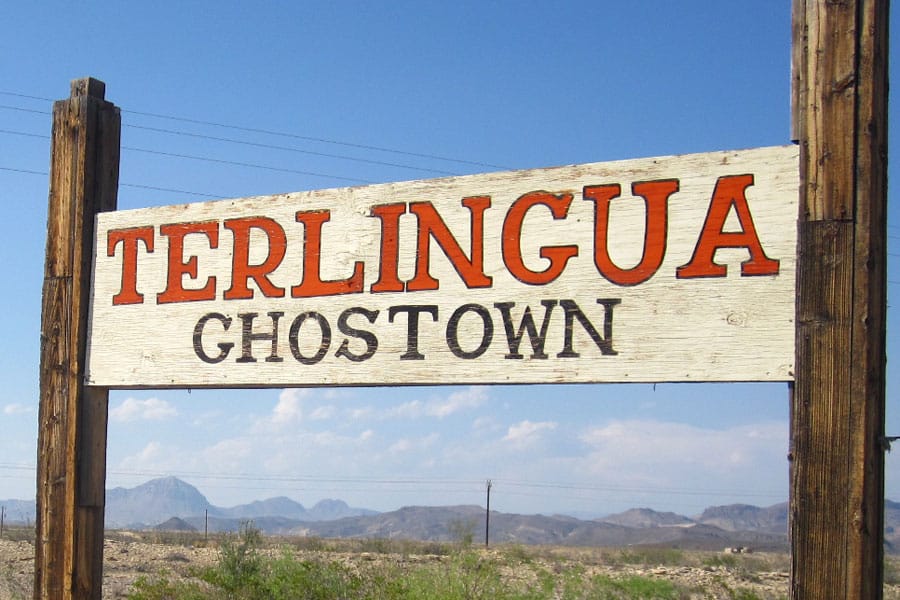
Big Bend National Park is in far West Texas near communities such as Terlingua, Study Butte, Marathon, and Alpine.
Why People Come
Visitors come for solitude, dramatic scenery, outdoor adventure, and the chance to experience a national park that still feels truly remote.
Why Visit Big Bend National Park
Big Bend offers a rare sense of scale. The roads are long, the views are wide, and the landscapes change dramatically as you move through the park. One day can include mountain overlooks, desert basins, canyon walls, and river views, all within the same journey.
It is a place to explore gradually. Scenic drives, overlooks, trailheads, visitor areas, and campgrounds are spread across a large landscape, which is part of what makes the experience feel so rewarding.
For many visitors, Big Bend becomes less about checking off stops and more about immersing yourself in the environment. The park rewards time, curiosity, and a slower pace.
What You’ll Find in Big Bend National Park
The Chisos Mountains
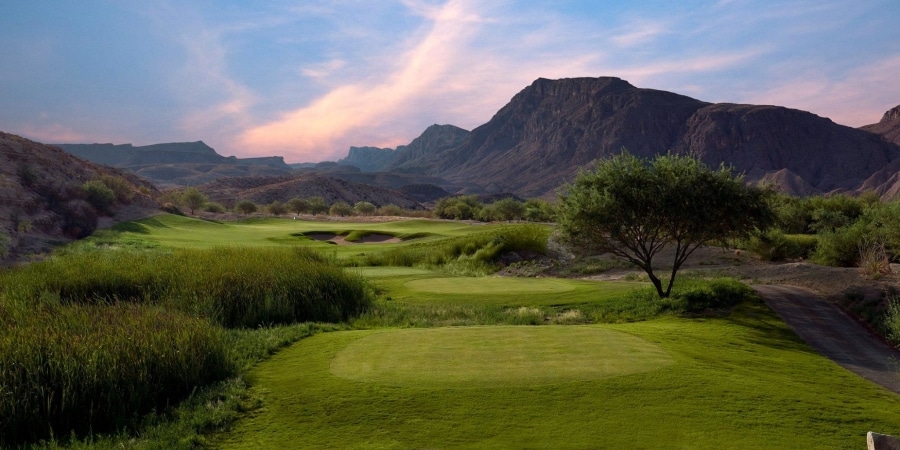
The Chisos Mountains form the heart of the park, offering elevated views, cooler temperatures, and some of the most iconic scenery in the region.
Desert Landscapes
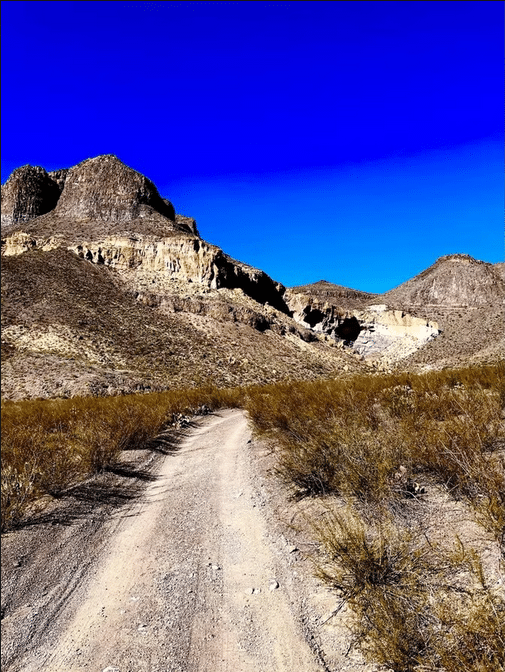
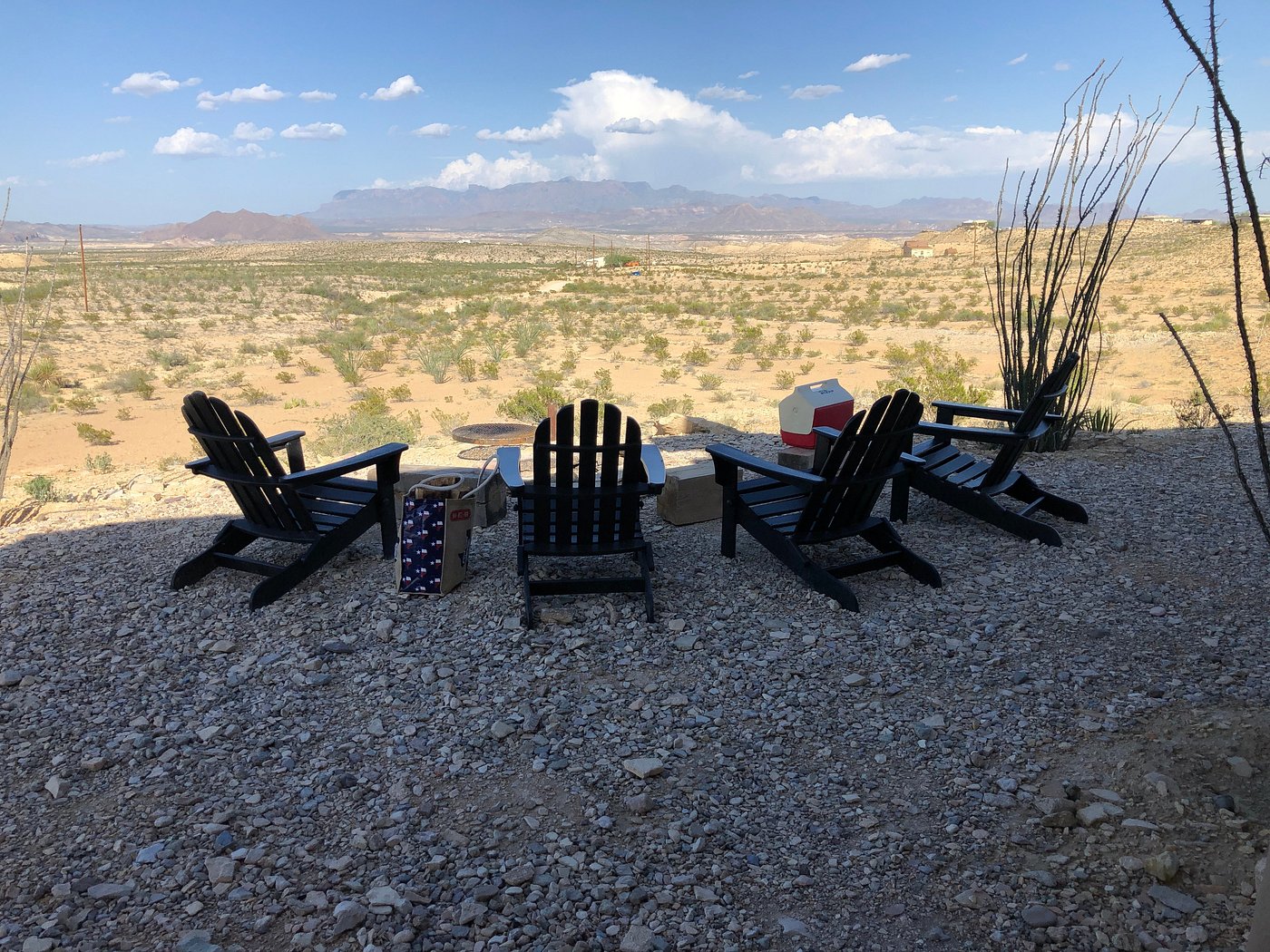
Much of the park is classic desert, with wide-open views, unique plant life, and a quiet atmosphere that defines the Big Bend experience.
Rio Grande Canyons
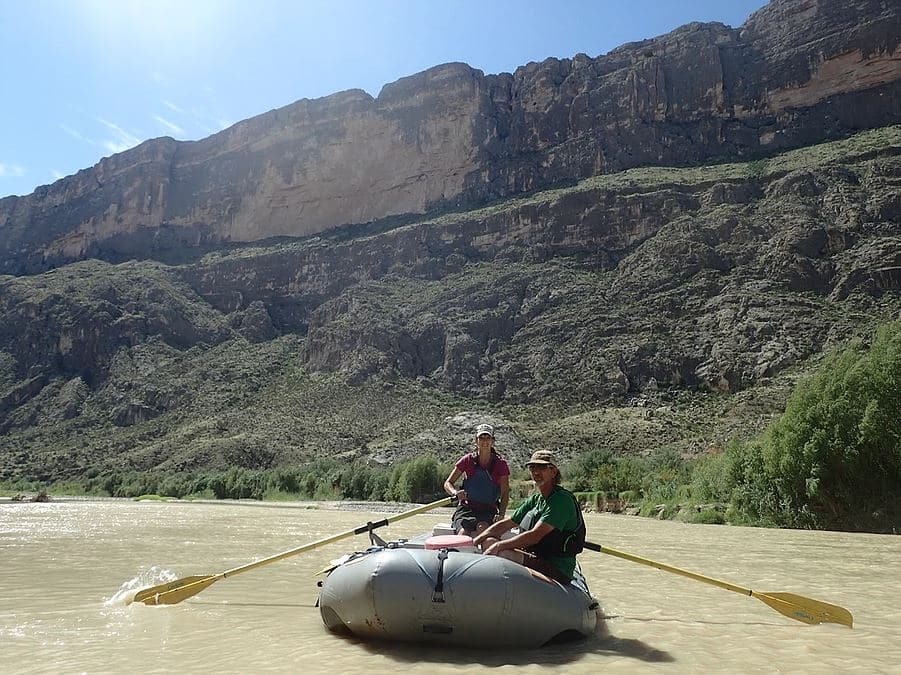
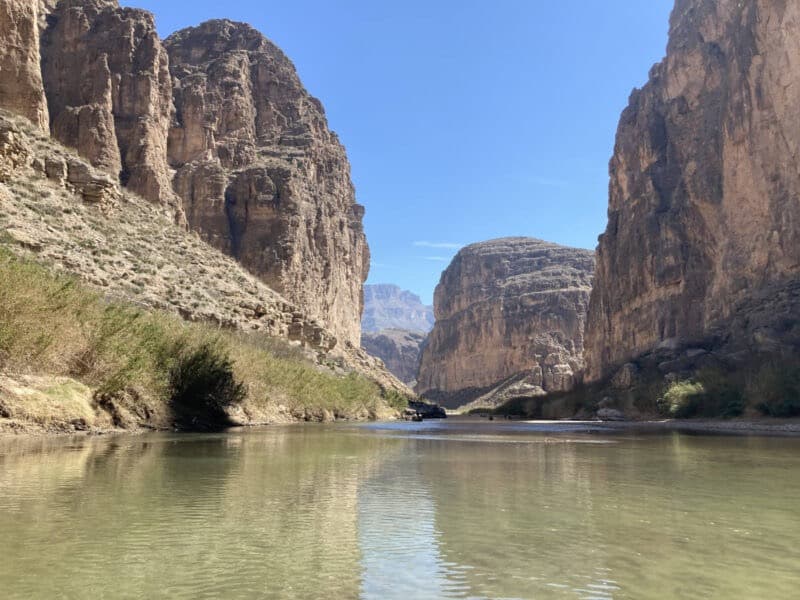
The Rio Grande shapes dramatic canyon areas and provides some of the most memorable views and experiences in the park.
Trails and Scenic Drives
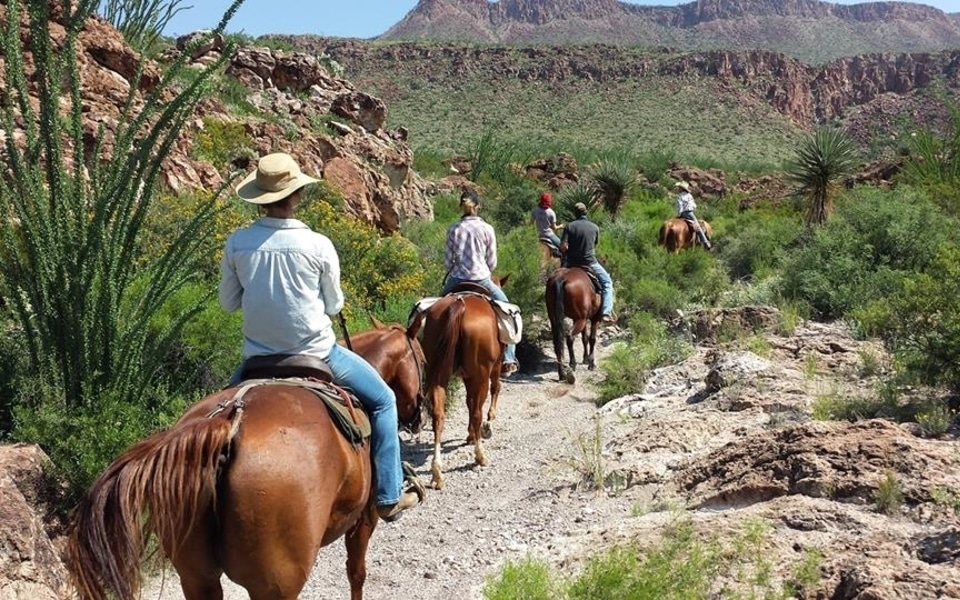
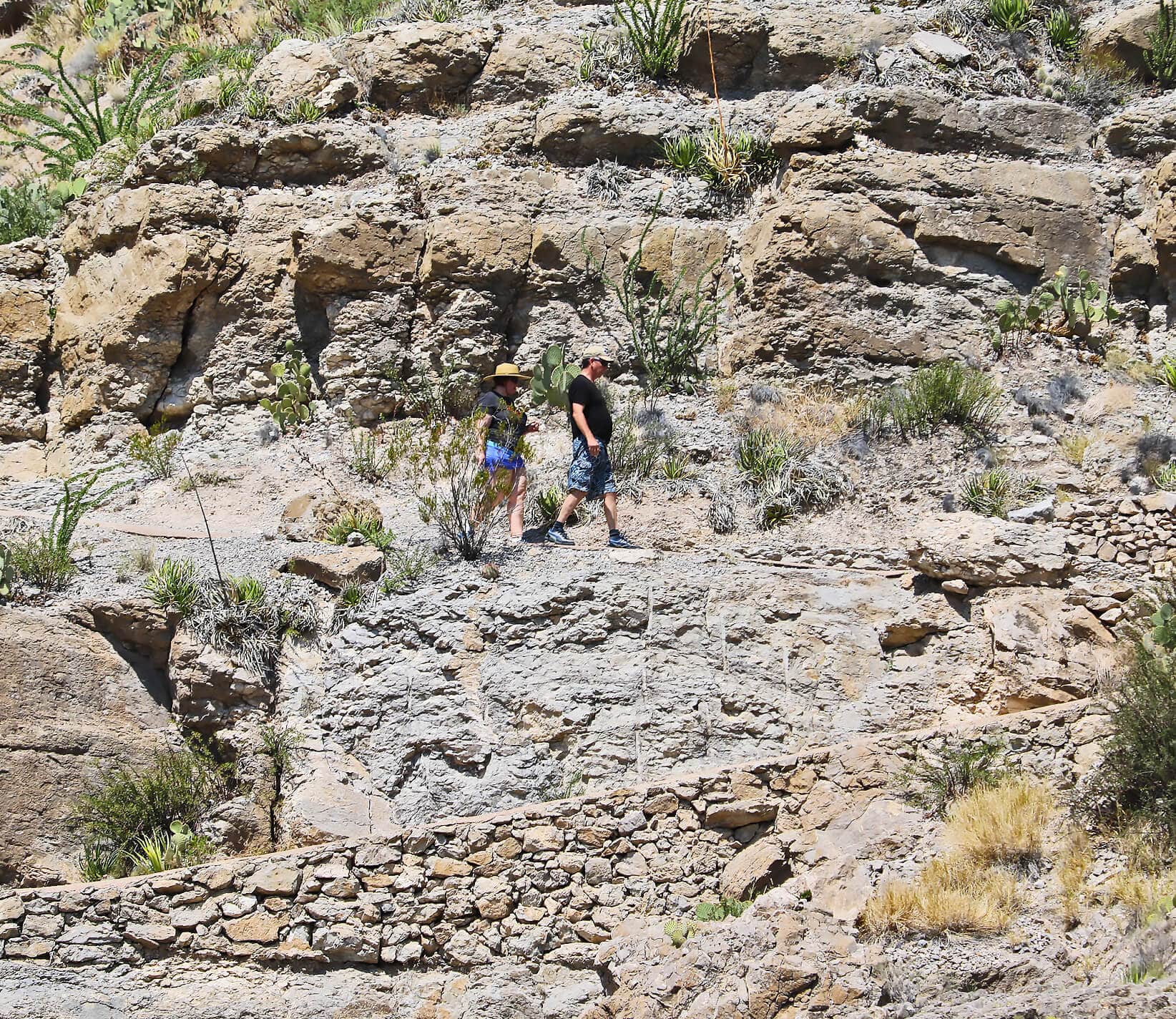
The park includes extensive hiking trails, scenic drives, and visitor areas that allow you to experience its landscapes from multiple perspectives.
A Landscape Defined by Scale and Solitude
Big Bend covers an immense area, and that size is part of what makes it feel so different. Distances are real, the sky feels larger, and even developed areas are surrounded by open space.
The park is also known for its variety of plant and animal life, shaped by elevation changes, water sources, and desert conditions.
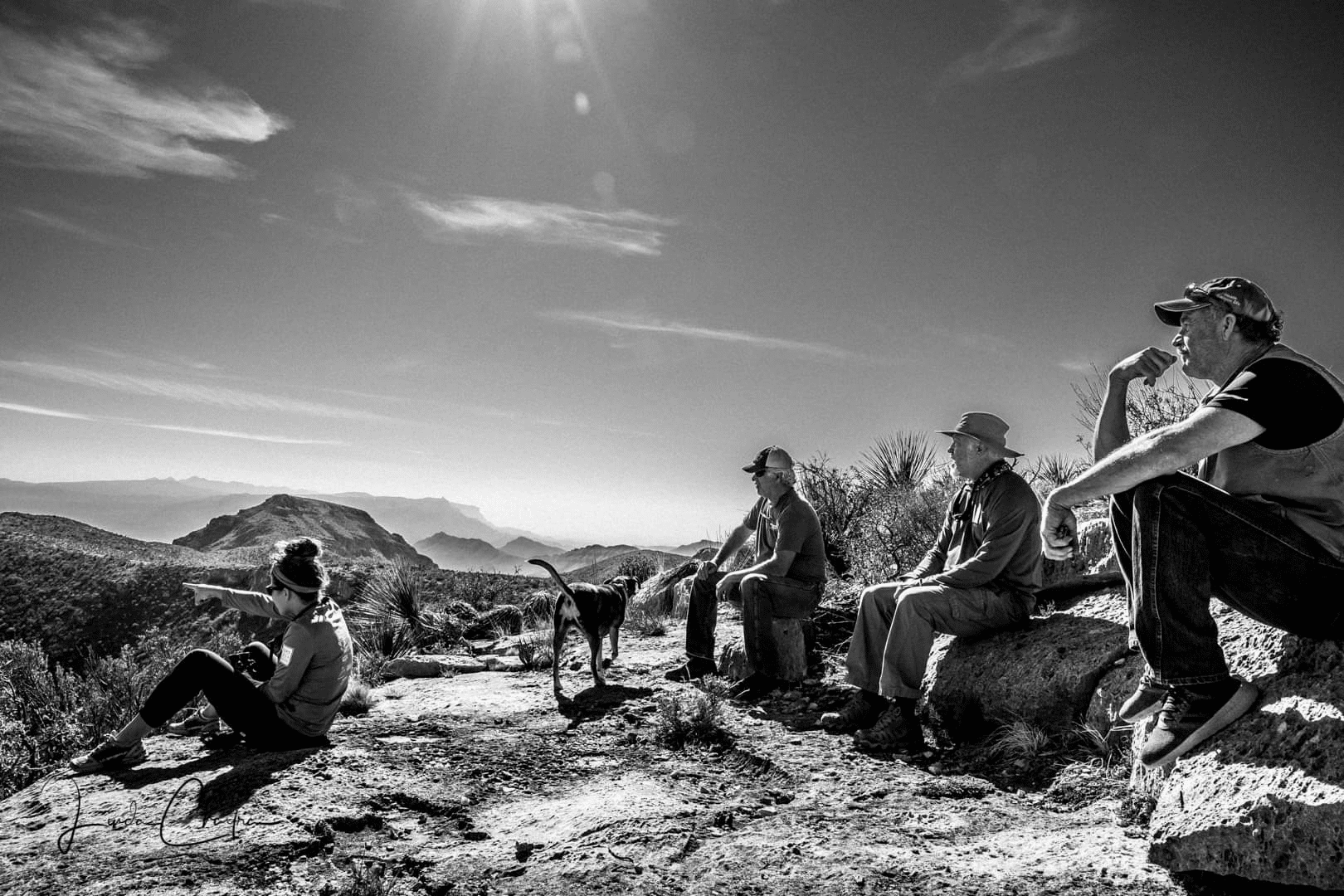
Even with its popularity, Big Bend still feels defined by solitude. That quality is not just part of its identity. It is something you experience directly once you are there.
Explore Beyond the Park
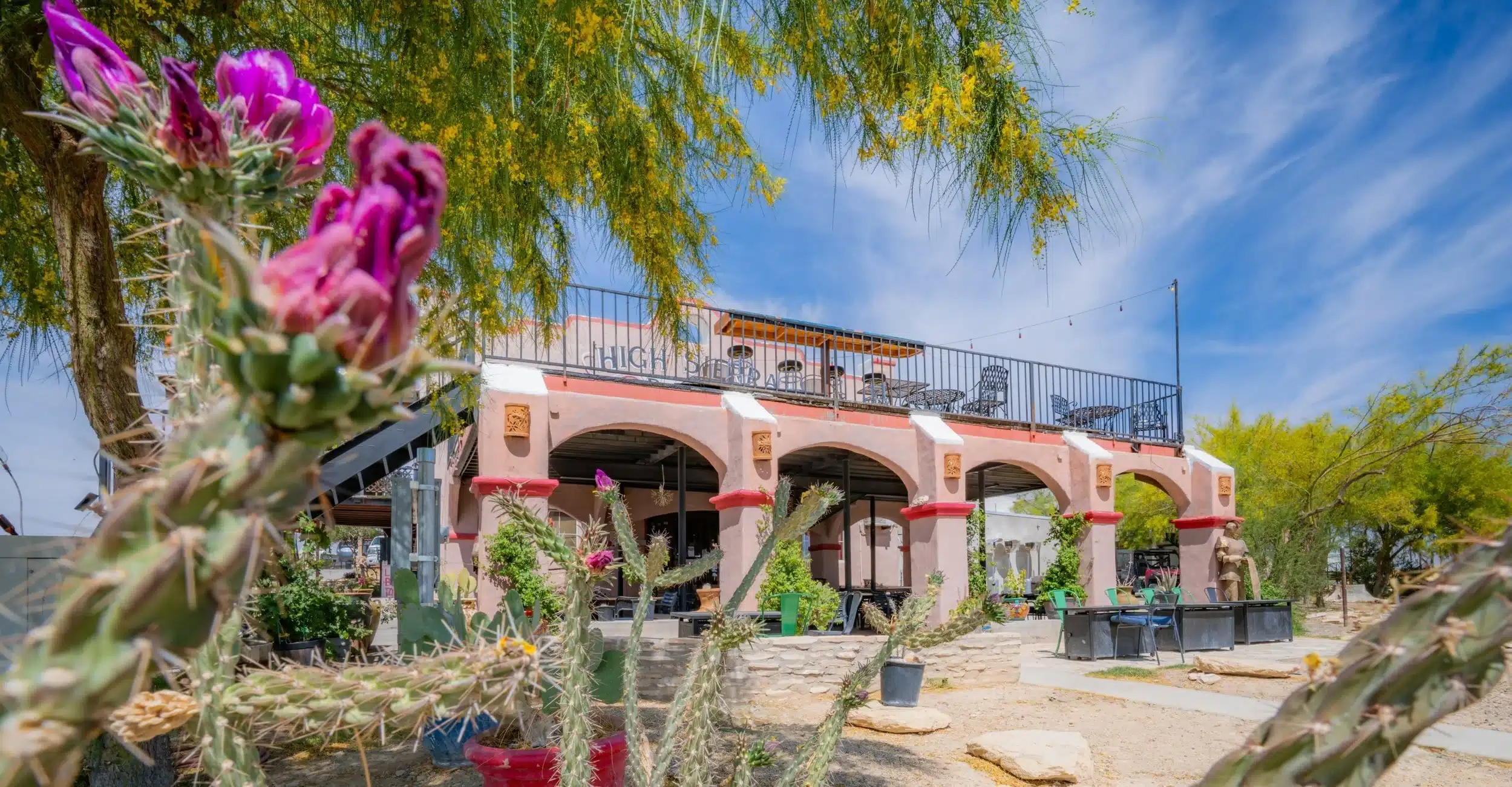
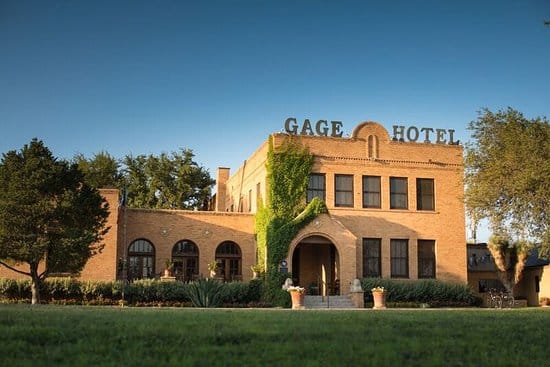
Big Bend National Park connects naturally with several surrounding gateway communities, each offering a different way to experience the region.
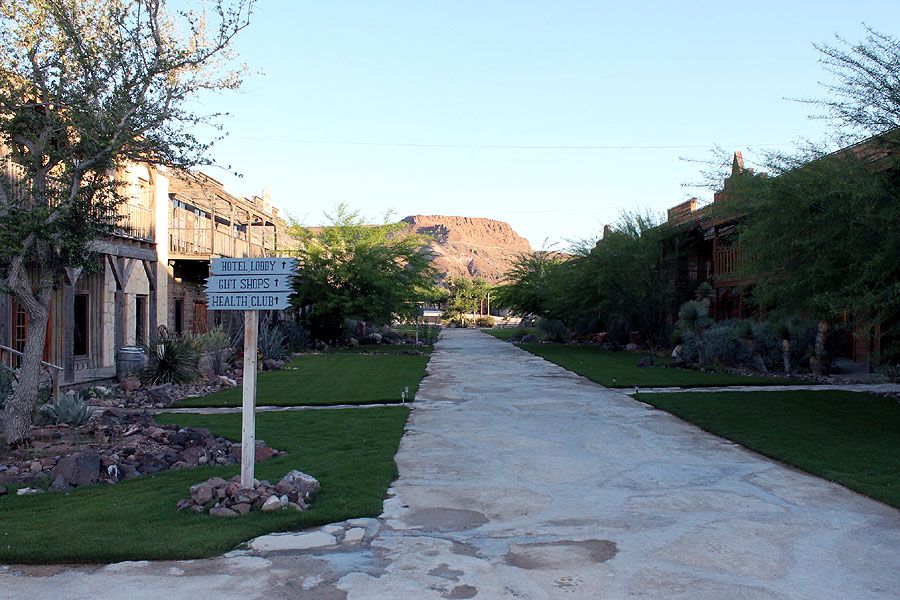
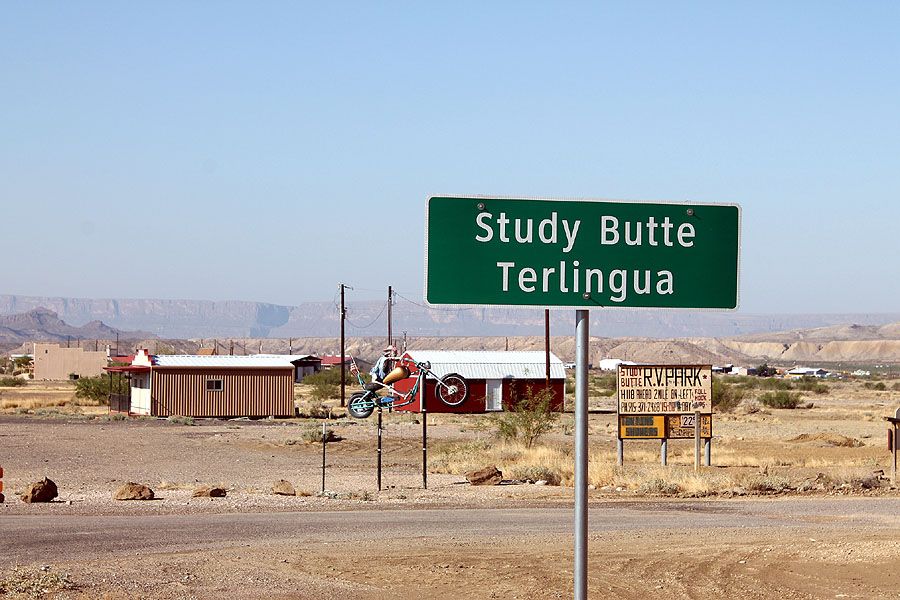
Terlingua and Study Butte
Terlingua and Study Butte offer easy access to the park along with lodging, food, and supplies.
Marathon
Marathon provides a quieter gateway experience with historic charm and a slower pace.
Lajitas and the Wider Region
Lajitas and nearby areas expand the experience with scenic drives, additional activities, and different styles of travel.
Good to Know Before You Go
Start with a Plan
Big Bend is large and spread out. Having a general plan helps you make the most of your time.
Allow Extra Time
Distances inside the park can be significant, so giving yourself more time leads to a better experience.
Slow Down and Explore
Big Bend is best experienced at a relaxed pace, with time to take in the views, the quiet, and the scale of the landscape.