Drive to Big Bend

Routes, Drive Times & Road Tips to Big BendBig Bend sits deep in far West Texas. Whether you’re coming from El Paso, Midland/Odessa, San Antonio, Austin, Houston, or Dallas/Fort Worth, choose the route that matches your arrival town and the part of the park you want...
Drive from Houston

Houston to Big Bend: Best Routes, Drive Times & Road TipsThe trip from Houston to Big Bend is a true cross-Texas adventure—piney woods to Hill Country to wide-open desert. Expect roughly 8–9 hours of drive time and about 540–600 miles, depending on your route and...

Fly to Big Bend

Commercial & Private Air Travel Options for Big BendPicture yourself sweeping over endless West Texas plains, the sun glinting off distant mesas as you descend into the rugged embrace of Big Bend’s wild frontier. By flying into El Paso, Midland, or even chartering...

Travel to Big Bend by Train

Experience the Historic Sunset Limited Rail RouteBoard Amtrak’s Sunset Limited—the oldest continuously operating named train in the U.S.—for a scenic journey between New Orleans and Los Angeles. This route stops in Alpine, TX three times weekly, offering a relaxed way...

Vehicle Rentals to Big Bend

Convenient Vehicle Rental Options to Big Bend from El Paso, Midland, Alpine & MoreFlying in? Renting a vehicle at a major airport is the fastest, most reliable way to reach Big Bend National Park—and gives you the freedom to explore every scenic mile on your own...

Drive from San Antonio

San Antonio to Big Bend: Scenic Road Trip Highlights & Hidden Stops Along the WayAt roughly 430 miles, the journey from San Antonio to Big Bend National Park takes you from the Hill Country’s rolling hills into West Texas’s rugged desert. Plan for about 7–8 hours of...

Alpine

Hub of the Big Bend Region Alpine Welcome to Alpine, the heart of the Big Bend region and the area’s primary hub for travel, services, and everyday convenience. With more lodging, dining, shopping, and infrastructure than any surrounding community, Alpine serves as a...

Big Bend National Park

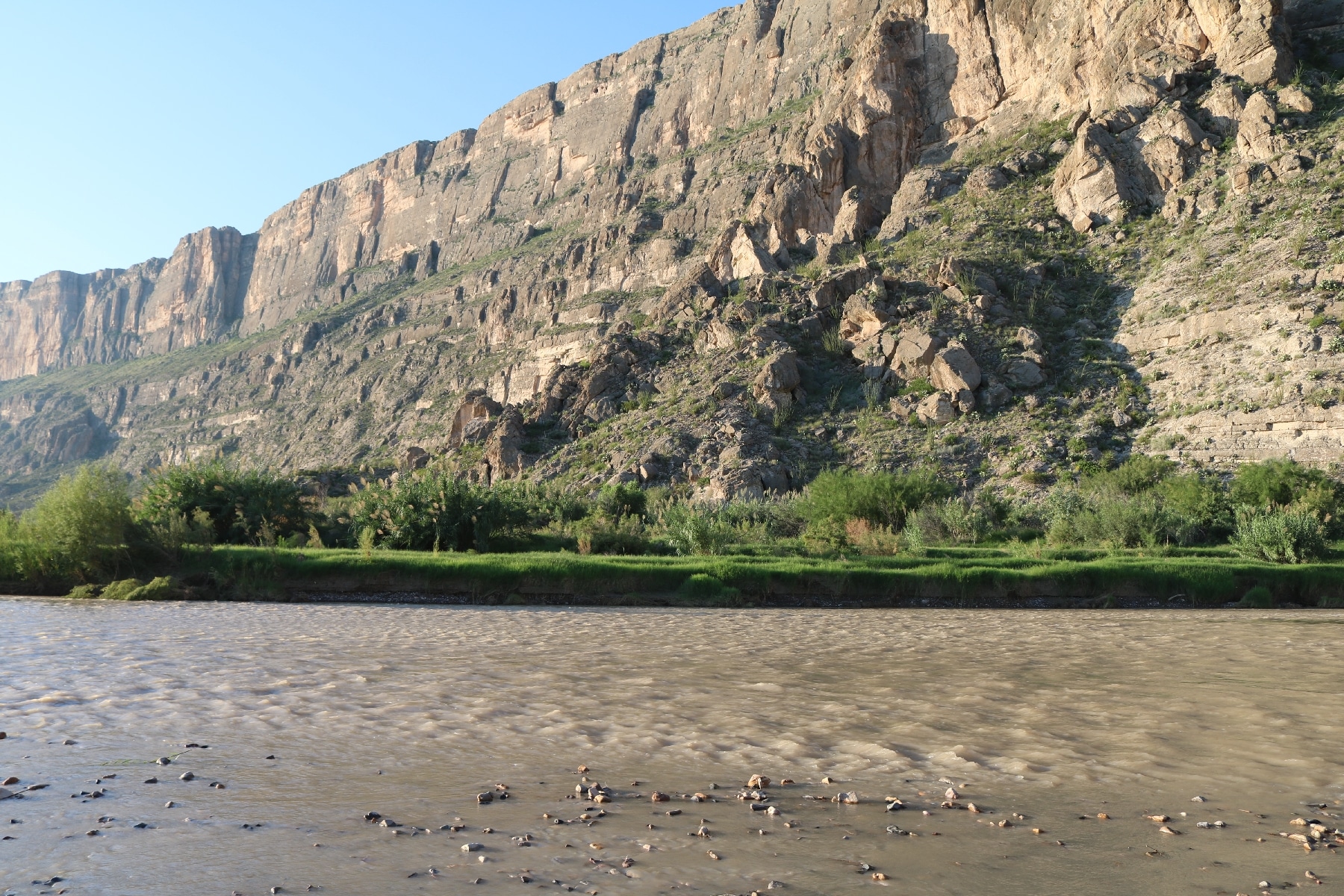
Iconic Landscape in Far West Texas Big Bend National Park Welcome to Big Bend National Park, one of the most extraordinary and remote landscapes in the United States. Located in far West Texas along a sweeping curve of the Rio Grande, the park is known for its desert...
Lajitas

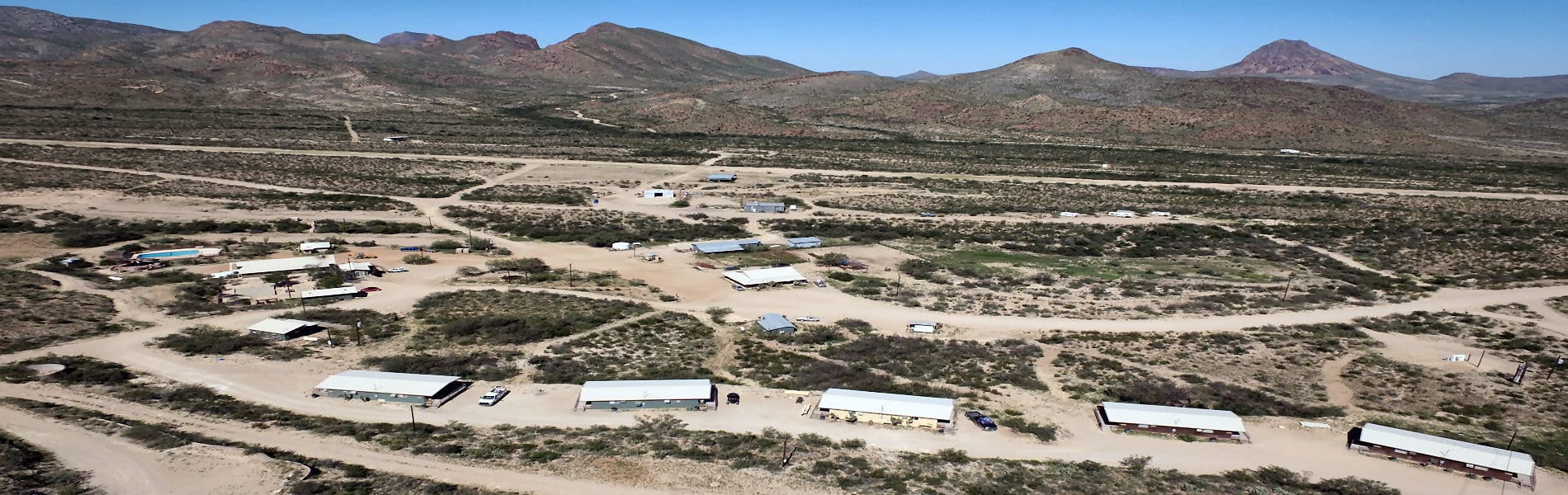
Resort Community in Big Bend Lajitas Welcome to Lajitas, one of the most unique destinations in the Big Bend region. Set along the Rio Grande and surrounded by rugged desert landscapes, Lajitas offers a rare combination of natural beauty and resort-style comfort in...
Terlingua

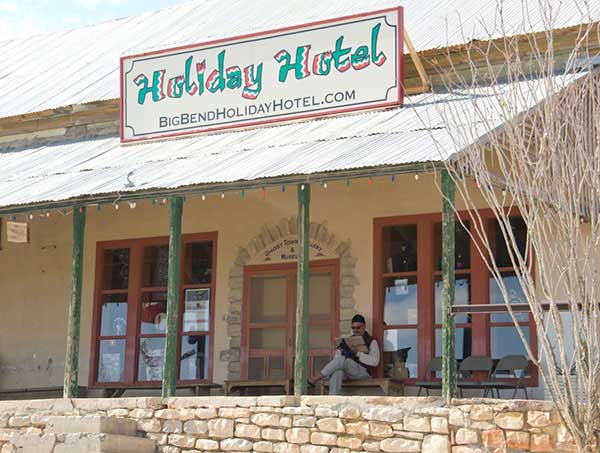
Historic Big Bend Community Terlingua Welcome to Terlingua, one of the most iconic communities in the Big Bend region. Known for its ghost town history, dramatic desert setting, and unmistakable personality, Terlingua offers visitors far more than a place to stay. It...
Study Butte

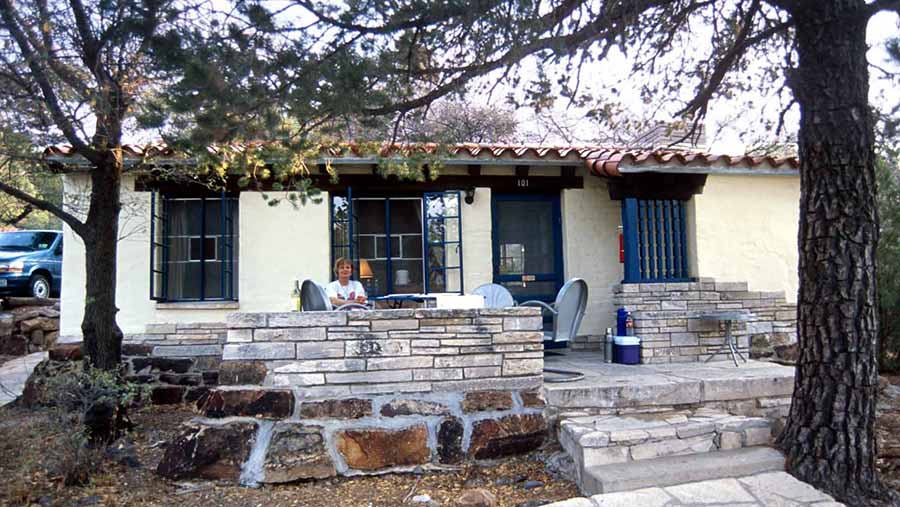
Big Bend Gateway Community Study Butte Welcome to Study Butte, the practical basecamp for exploring the Big Bend region. Located at the junction of TX 118 and FM 170, just outside the western entrance area of Big Bend National Park, Study Butte gives travelers the...
Marathon

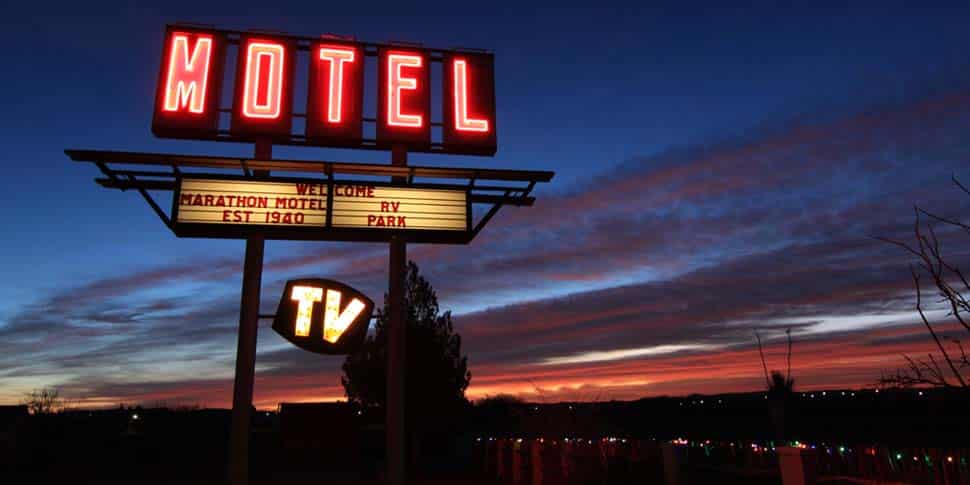
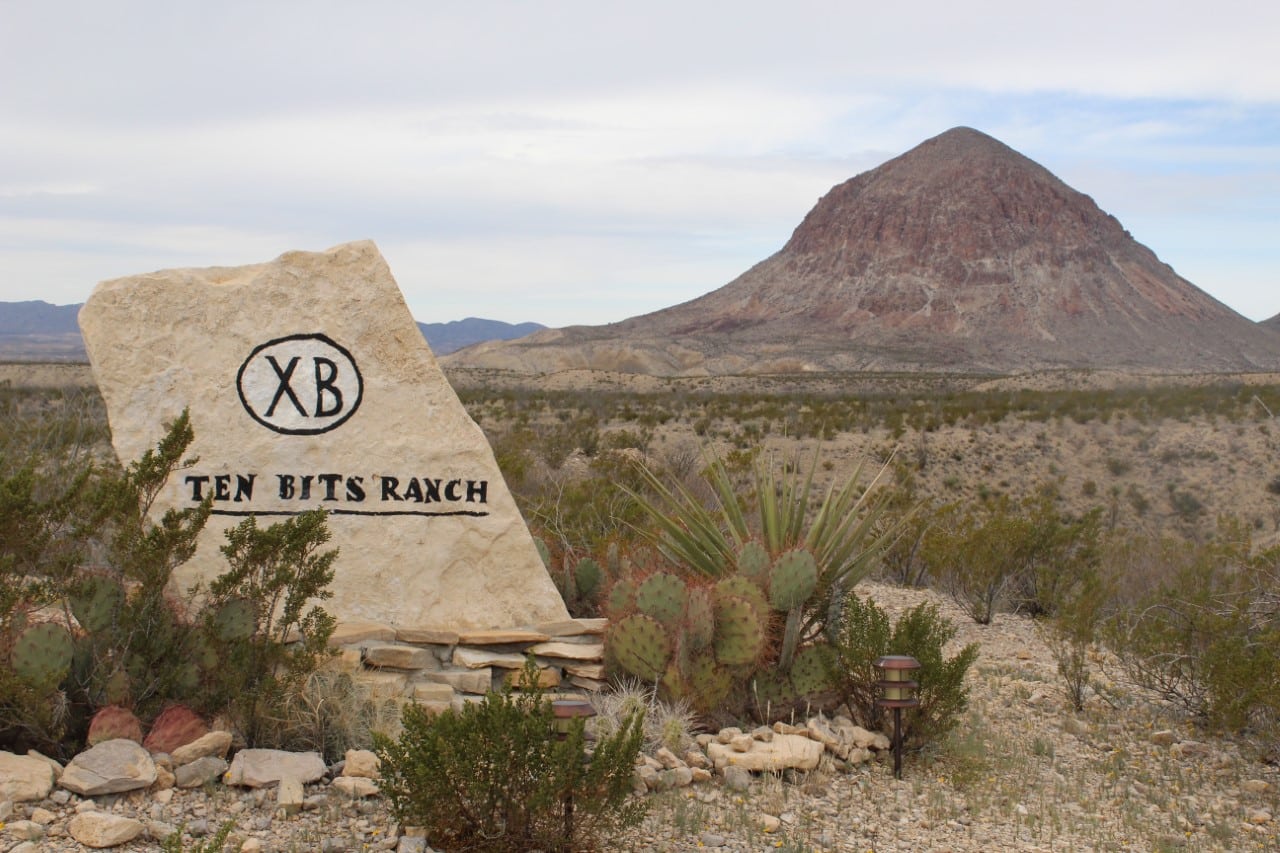
Historic Big Bend Gateway Town Marathon Welcome to Marathon, a quiet and distinctive West Texas town that offers a very different kind of Big Bend experience. Known for its historic charm, wide-open scenery, and slower pace, Marathon is a place where visitors come to...

BIG BEND NATIONAL PARK WEATHER

Big Bend

Big Bend Outdoors Safety Tips
Welcome to the Big Bend! We want you to feel prepared and confident while you explore the vast wild lands of Brewster County!
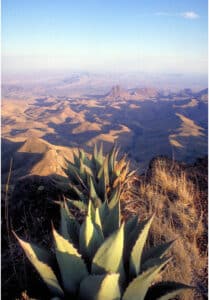
Big Bend’s climate is different than what you might be used to. You may not think you’re sweating at all, since sweat quickly evaporates. Many view this as just another added bonus of the desert climate!

It’s a great place to be in the outdoors — just be sure to replenish, even if you don’t feel all sweaty!!

The number one rule is to carry plenty of water. It’s a good idea to bring water with you wherever you go, whether you are taking a road trip or planning several days of camping and hiking, or just out for a day hike.

It is equally surprising how chilly it can be once the sun sets – deserts are poor at retaining heat during the night, even though temperatures can soar during the day. Bring layers in case you get chilly or hot!!

Additionally, the elevation is unexpectedly higher than most places in Texas. Marathon is at a cool 4,055 feet while Terlingua sits at 2,890. Elevations along the river range from 1,800 feet to a whopping 7,830 feet at Emory Peak in Chisos Basin of Big Bend National Park. For comparison, elevations at Fort Worth and San Antonio are about 650 feet, and Houston is a mere 80 feet above sea level!
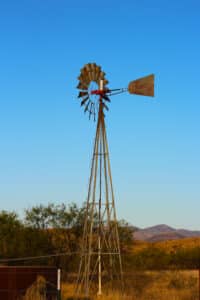
Drink plenty of water during your stay and be prepared for changing Big Bend weather conditions. Here are some more great tips!

  • Carry at least one gallon per person per day

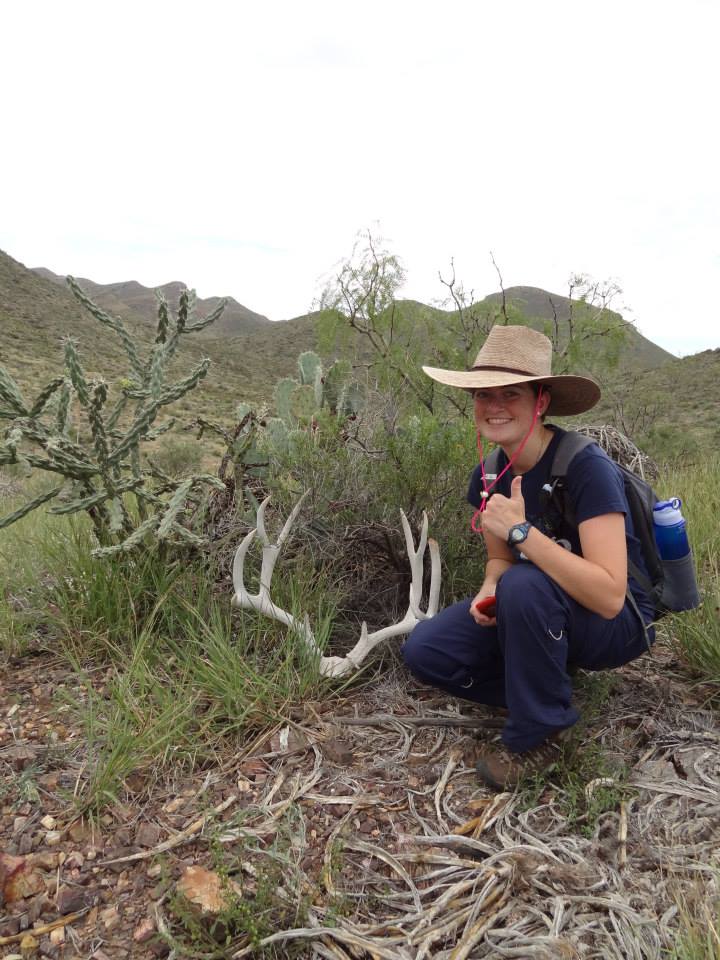
Protect yourself from the sun! It’s a good idea to avoid hiking during mid-day heat in the summer months, and to bring a long sleeve layer along for extra sun protection. Hikes are more enjoyable when you feel prepared, and these tips are a good starting point.

  • Wear a hat, long hiking pants, long sleeves, and sunscreen
  • Wear sturdy shoes – hiking boots are recommended
  • Let someone know where you plan on going and when you plan on being back. When in the parks, it’s always a good idea to check in with park rangers
  • Bring along a map and compass
  • Take only pictures, leave only footprints!
  • Carry a flashlight, first aid kit, and signaling device (whistle and mirror)
  • Avoid narrow canyons and dry washes; flash floods can occur
  • Stay low and avoid ridges during lightening
  • If you get hurt or lost, stay in one place to conserve water and energy. Signal for help using whistle or mirror. Mark a large “X” on the ground that can be seen from air
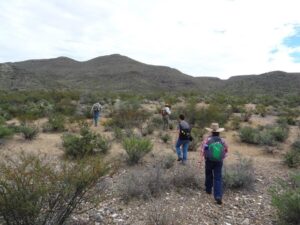
Big Bend country is renowned for its scenic drives. Besides following the Texas road motto to “Drive Friendly,” here are some other things to keep in mind.

  • Pay attention to speed limits, and remember, the speed limit is 45 mph in Big Bend National Park
  • Pull off the road to take pictures – do not stop on roadways. Watch for designated pull-offs, which often coincide with beautiful vistas – they make great places to pull over!
  • The mountainous stretches are twisty and curvy – drive with caution
  • Share the road with motorcyclists, bicyclists, and watch for pedestrians when in the parks and villages
  • Take a break at one of the many roadside picnic stops or roadside historical markers
  • Park roads have limited shoulders, and some are steep and winding and require extra caution. The road to the Chisos Basin in Big Bend National Park is not recommended for RVs over 24 feet or trailers over 20 feet
  • Backcountry roads require vehicles with good tires, including at least one spare and a working jack; some roads require a high clearance or 4-wheel drive vehicle. Take extra water, food, and sleeping bags when venturing on backcountry roads, and check with park rangers for conditions
  • Keep an eye on the fuel gauge. Gas stations are located in Marathon, Study Butte, Alpine, and at Panther Junction in Big Bend National Park, but there are long stretches of road between each of these places!
  • Select a designated driver before drinking alcoholic beverages

Always observe fire ban rules, and remember, the park does not allow wood or ground fires. Exercise caution when using gas stoves, charcoal grills, or smoking cigarettes; restrictions may apply to the use of these heat sources during drought conditions.

Exercising a little caution can go a long way! We hope to hear about your adventure – visit our Facebook page @VisitBigBend to join the conversation!

For more tips, including on what to do on (extremely rare) wildlife encounters, go here.
 

visitbigbend

[instagram-feed feed=1]
Recent Posts
Big Bend In Full

Big Bend In Full

The basic facts about the Big Bend area and national park are easy enough to acquire; it is over 800,000 acres of preserved land yet one of the least visited of the 61 national preserves of the United States. It takes its name from the massive left turn that the Rio...

Golf Courses Near Big Bend National Park

Golf Courses Near Big Bend National Park

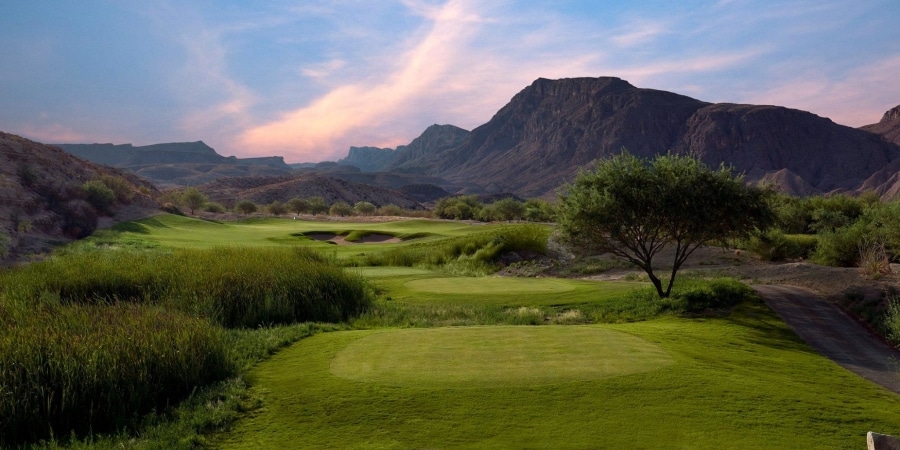
Photo by Thomas Park on Unsplash https://unsplash.com/photos/TO9hcfWyr-U    Big Bend is a fascinating area filled with beautiful natural desert and mountain ranges. If you happen to be traveling to West Texas, it’s packed with activities, including golf, hiking,...

Preserving The Environment When Cycling

Preserving The Environment When Cycling

by Molly Clark When you head out on an adventure on your bike, you are doing many things to help the environment. After all, it is an eco-friendly and healthy form of transportation that doesn’t leave a carbon footprint. But, if you aren’t careful and if you don’t...

3 Dreamy Days in Big Bend, Texas

3 Dreamy Days in Big Bend, Texas

Candelilla House Big Bend Holiday Hotel Craggy canyons tower over the mighty Rio Grande in west Texas, separating the United States from Mexico. The Big Bend area of Texas offers a blissful coexistence of mountain terrain and desert plains. Entire mesas covered with...

Hiking Trails for Young Children in Big Bend National Park


Hiking Trails for Young Children in Big Bend National Park


By Belle Peña-Lancaster Planning a trip to the Big Bend Region with children in tote can be a bit intimidating. The road wear you incur while traveling just to get to the Brewster County line is unavoidable, however it’s completely worth it. From one family to another...

Big Bend 4th of July Parades

Big Bend 4th of July Parades

Big Bend residents love to celebrate the 4th of July in big, colorful, wonderful ways! Marathon and Terlingua host parades each year and everyone is welcome to attend!   It’s a Terlinguan tradition to propel water balloons, so be sure to wear your most playful...