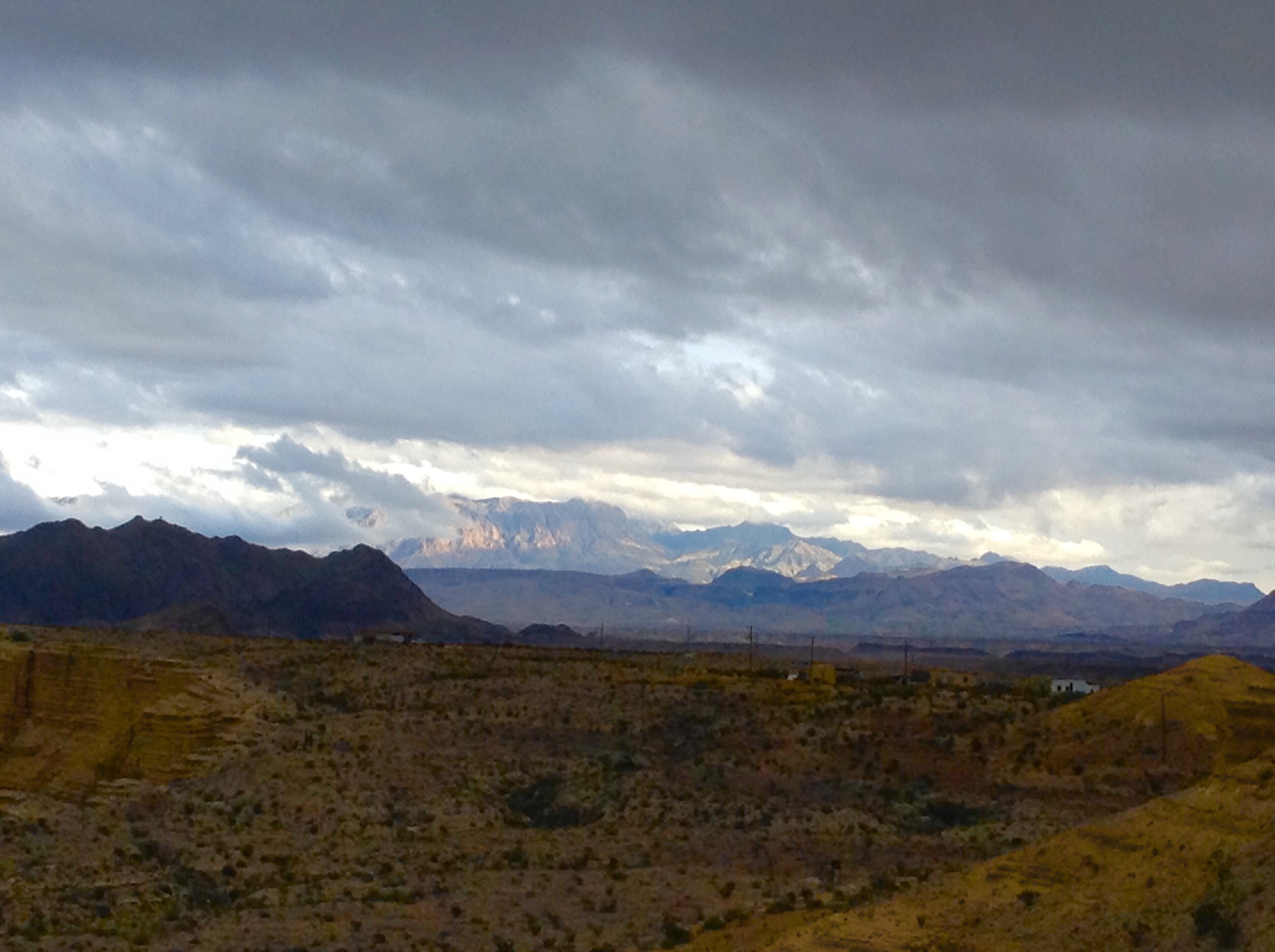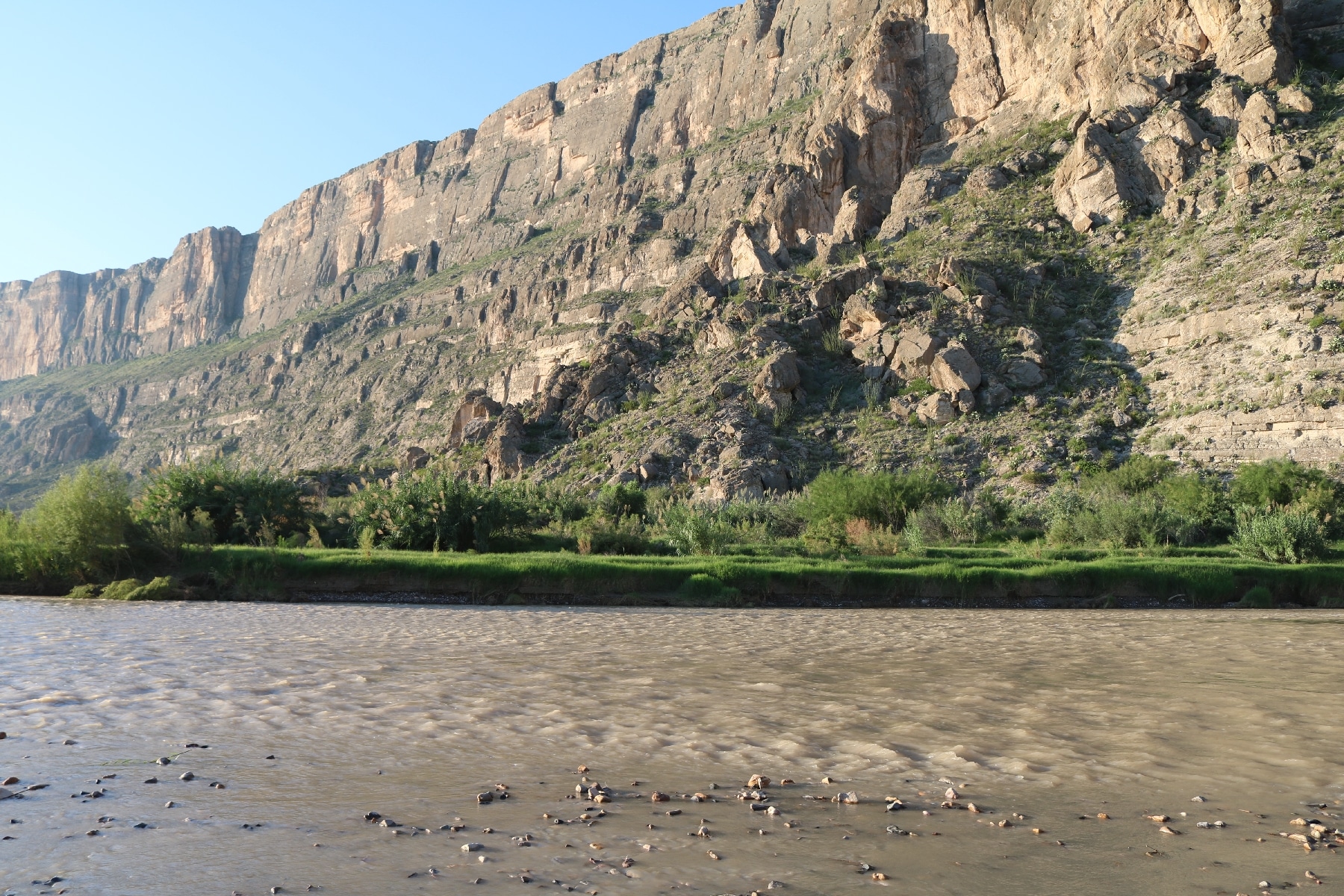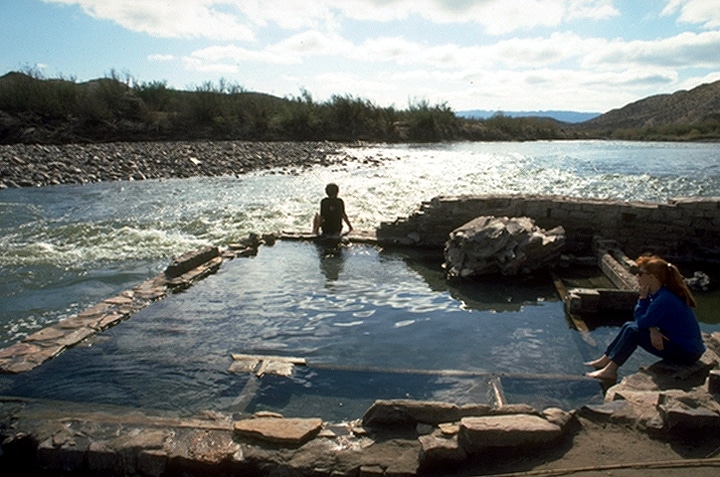
Routes, Drive Times & Road Tips to Big BendBig Bend sits deep in far West Texas. Whether you’re coming from El Paso, Midland/Odessa, San Antonio, Austin, Houston, or Dallas/Fort Worth, choose the route that matches your arrival town and the part of the park you want...









by Molly Clark
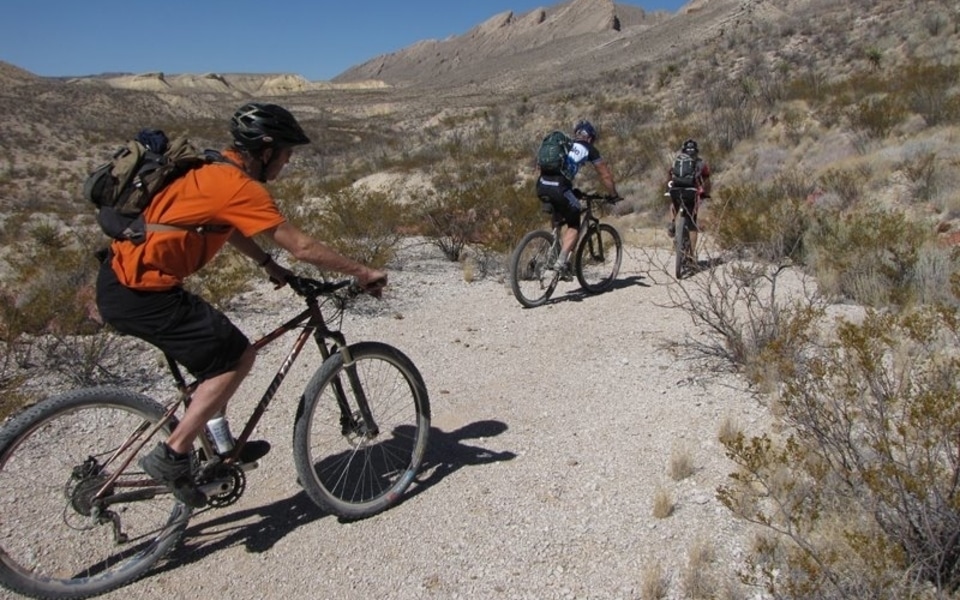
When you head out on an adventure on your bike, you are doing many things to help the environment. After all, it is an eco-friendly and healthy form of transportation that doesn’t leave a carbon footprint. But, if you aren’t careful and if you don’t work to preserve the environment while cycling, you could damage your surroundings. When you head out for a ride, don’t have a negative impact on the environment. Instead, be proactive and help preserve the environment for yourself, wildlife, and others. If you are going cycling in a park, down a trail or on public lands, here are some tips to help you make sure you do everything can to protect the environment.
Always Stay On The Designated Trail
You should always stay on the road, trail, or path that is designated for travel. While it might not seem like it would be much of a problem, getting off the trail can lead to some serious environmental damage. It will crush vegetation, damage plant roots, and contribute to erosion, which will cause further problems. And if one cyclist does it, there will be others to follow and that will worsen the problem.
Pick Up Any Trash
When you go out cycling, the goal is to never leave a trace. While this should go without saying, never leave behind any trash. If you take along snacks or drinks, be sure to take along any bottles, wrappers or packages until you can dispose of them properly. Food scraps and crumbs draw vermin, and many animals will become dependent on the leftovers and approach people, endangering themselves as well as the humans. If you can at all, choose reusable water bottles and containers. If you see trash left by others, do the right thing and pick it up to dispose of with your trash.
Share The Trail
Remember, you aren’t the only person out there on the trail. Watch for others and share the road or trail. You might encounter pedestrians or hikers, other cyclists, or motorized vehicles. Share the road and properly yield the right-of-way, but don’t get off the trail and crush the vegetation.
Watch Out For Wildlife
You have seen wildlife that has been struck by vehicles as it attempted to cross the road. You can also encounter wildlife on your bike. You need to travel at a safe speed, so you can stop far enough back from the creatures. You might encounter something as small as a chipmunk or squirrel or something larger and more threatening, such as a bear or an elk. Be sure to keep your distance when you do see an animal- it’ll be safer for you and the animal.
Know How To Control Your Bike
Remember, practice makes perfect. When you head out in a park or public lands, you want to know how to control your bike, so you don’t impact the environment. Don’t “ride the brakes” as that will dig up the ground. Know how to slow down without holding onto both brakes for dear life. Know when to use one brake, when to use both brakes and when to just cruise. Don’t dig ruts because that damages plant roots and they will fill with water later, causing a muddy and slippery mess and, also, contributes to erosion.
This article was created Personal Injury Help (www.personalinjury-law.com), an organization dedicated to providing the public with information about personal injury and safety information. Nothing in this article should be construed as legal advice, and it is intended for informational use only. Be sure to review your local cycling ordinances to ensure you ride safe and legally!