Routes, Drive Times & Road Tips to Big BendBig Bend sits deep in far West Texas. Whether you’re coming from El Paso, Midland/Odessa, San Antonio, Austin, Houston, or Dallas/Fort Worth, choose the route that matches your arrival town and the part of the park you want...



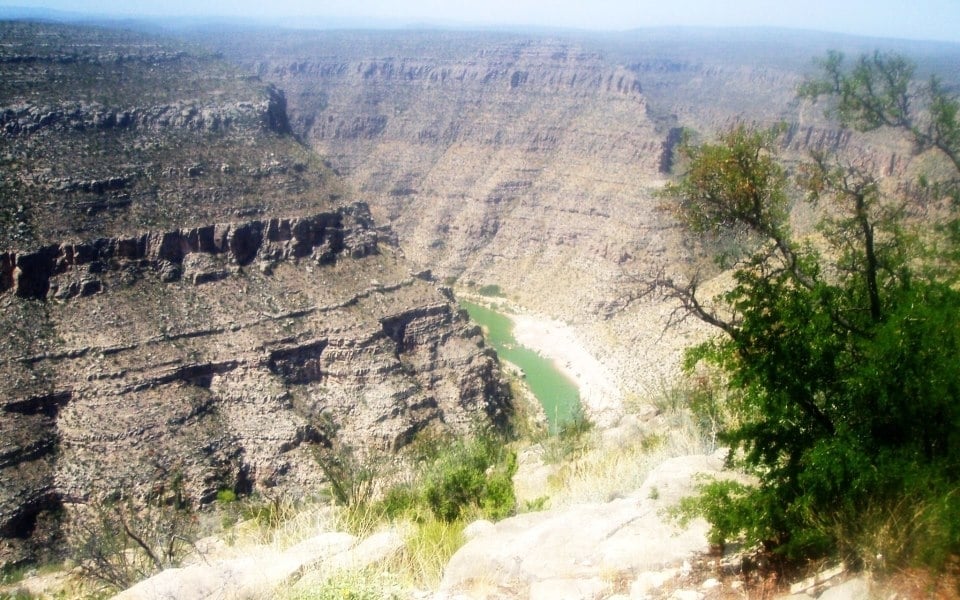
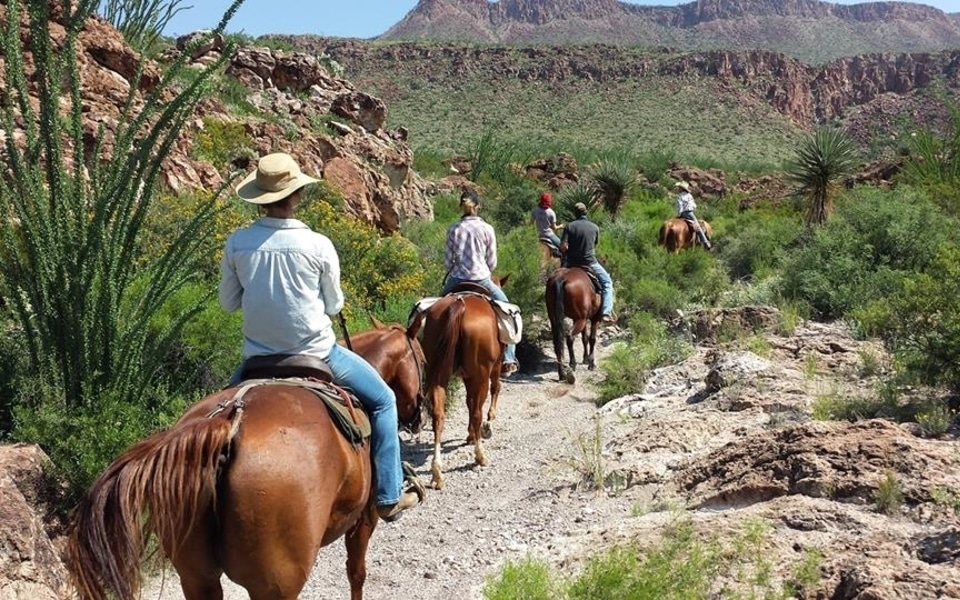
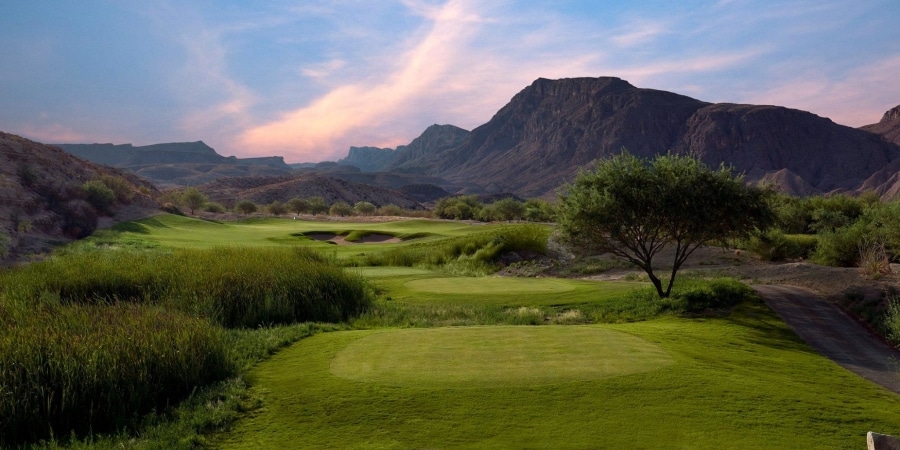
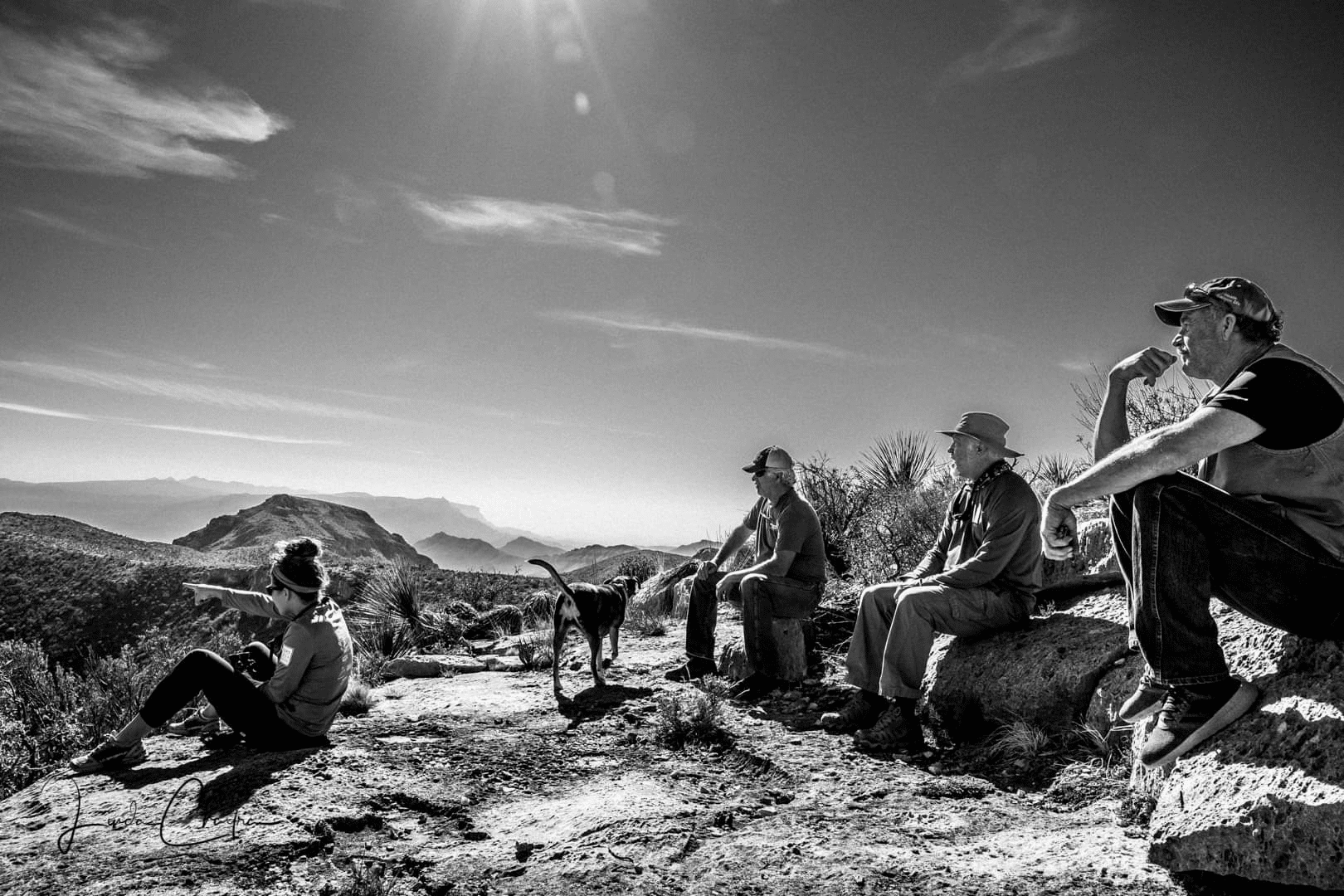
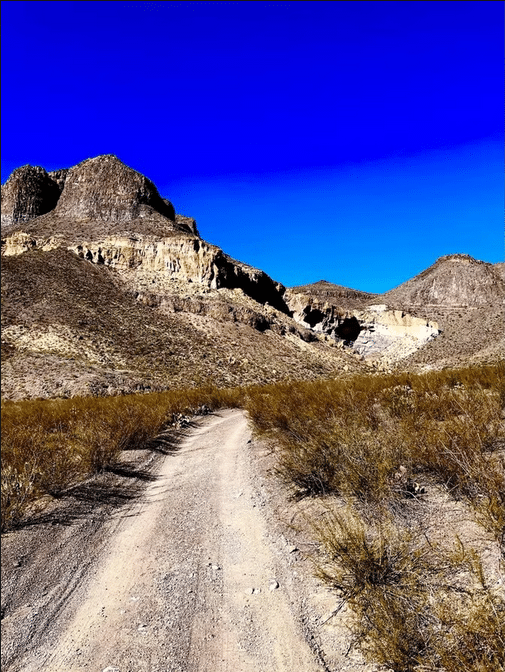
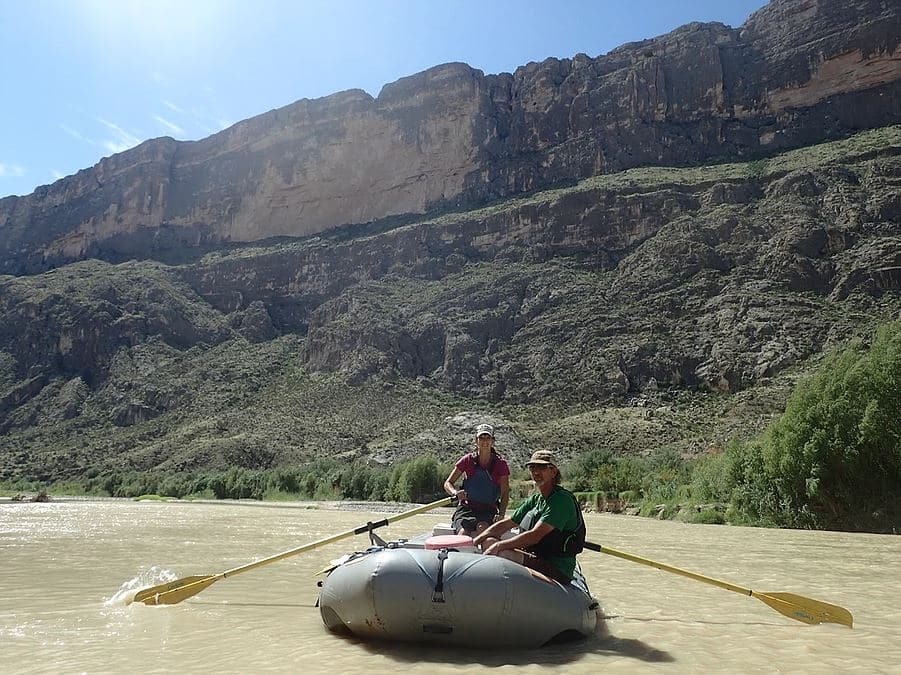
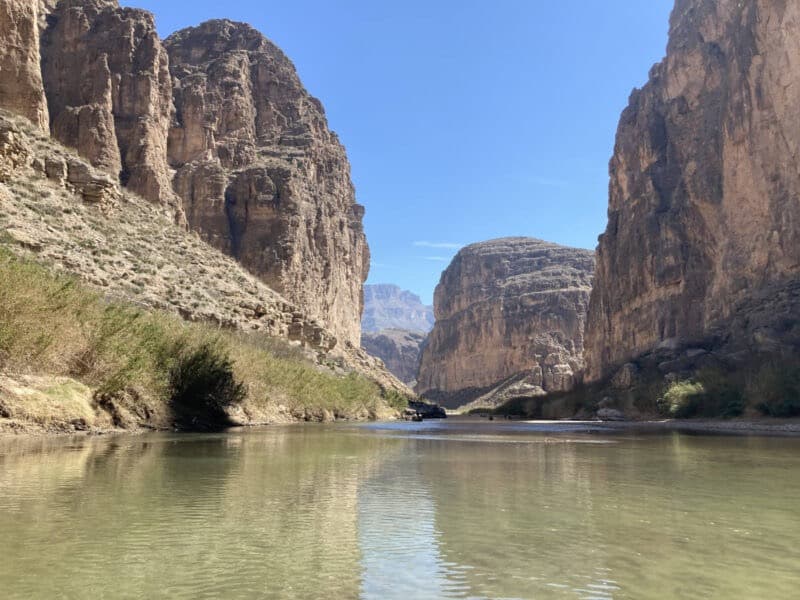
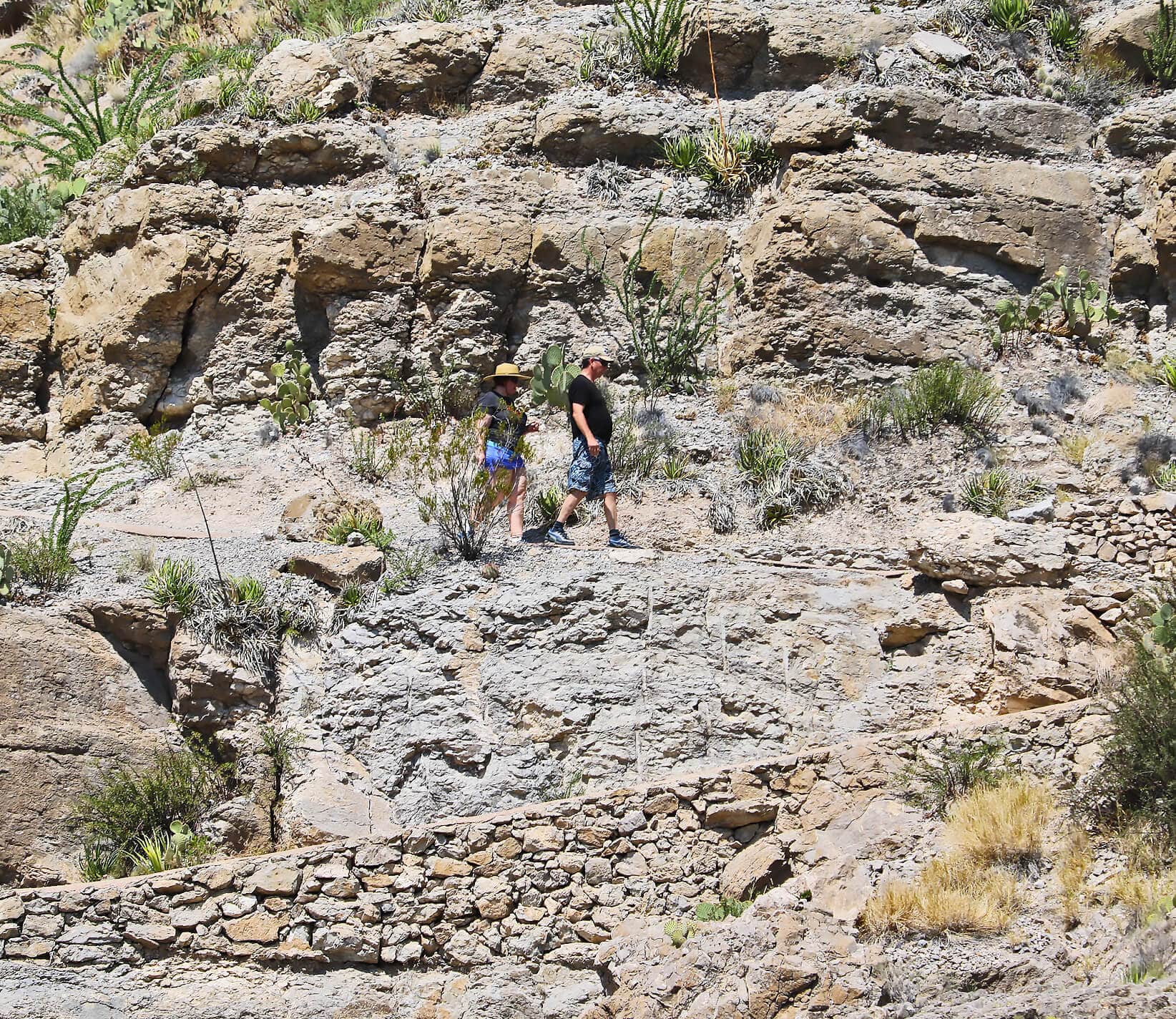






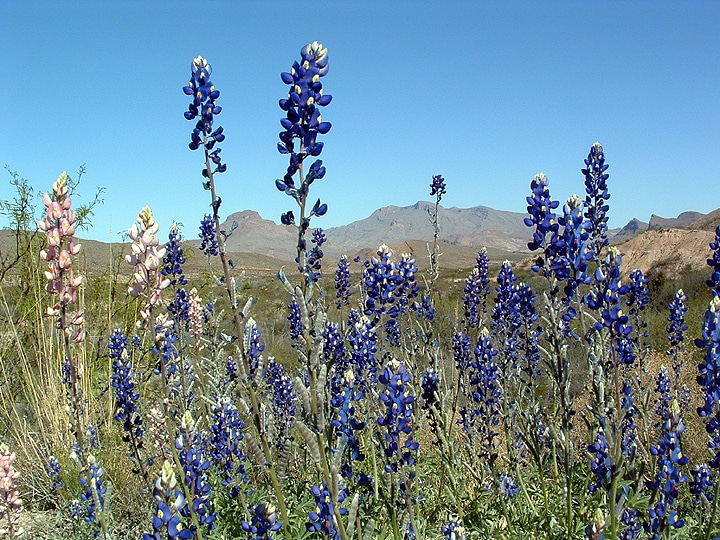
Overview of vegetation in Big Bend and Chihuahuan Desert
Vegetation of the Big Bend Region By Hillary Loring, Ecologist
The plants in the Big Bend are extraordinary. They endure temperatures that range from below freezing to over a hundred degrees Fahrenheit and an average rainfall as low as seven inches a year. Various adaptations allow them to survive extremes. These strategies range from waxy coatings to the complete loss of leaves. Many plants have thorns or spines to protect themselves and their precious water and food stores. Below are a few examples of the adaptations seen in this region.
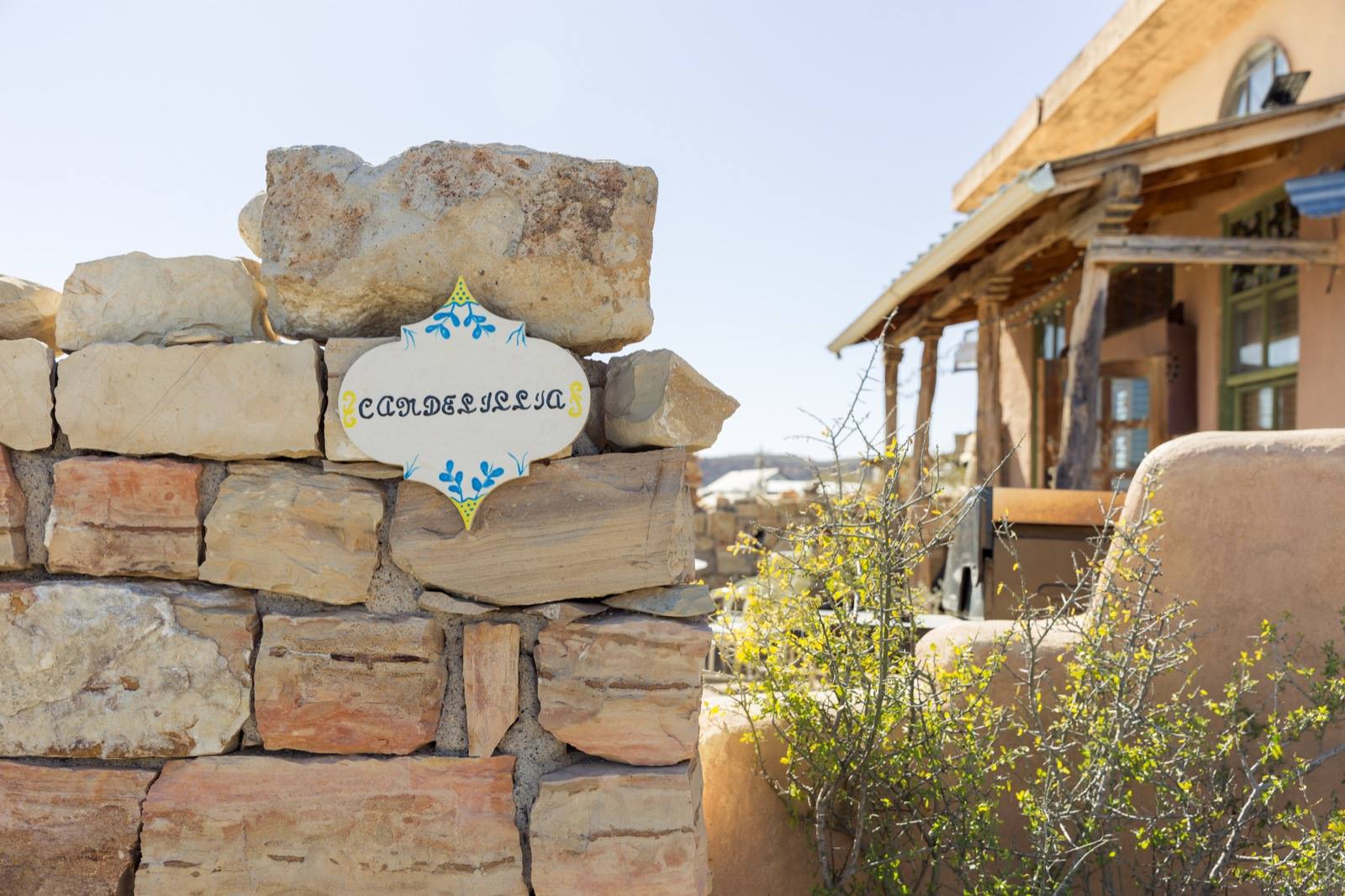
The stems of Candelilla (Euphorbia antisyphilitica) are coated with a wax that slows evaporation of precious water. Candelilla, which means little candle, has long spawned a cottage industry. Plants are boiled in large vats of water in order to extract and sell the high quality wax.
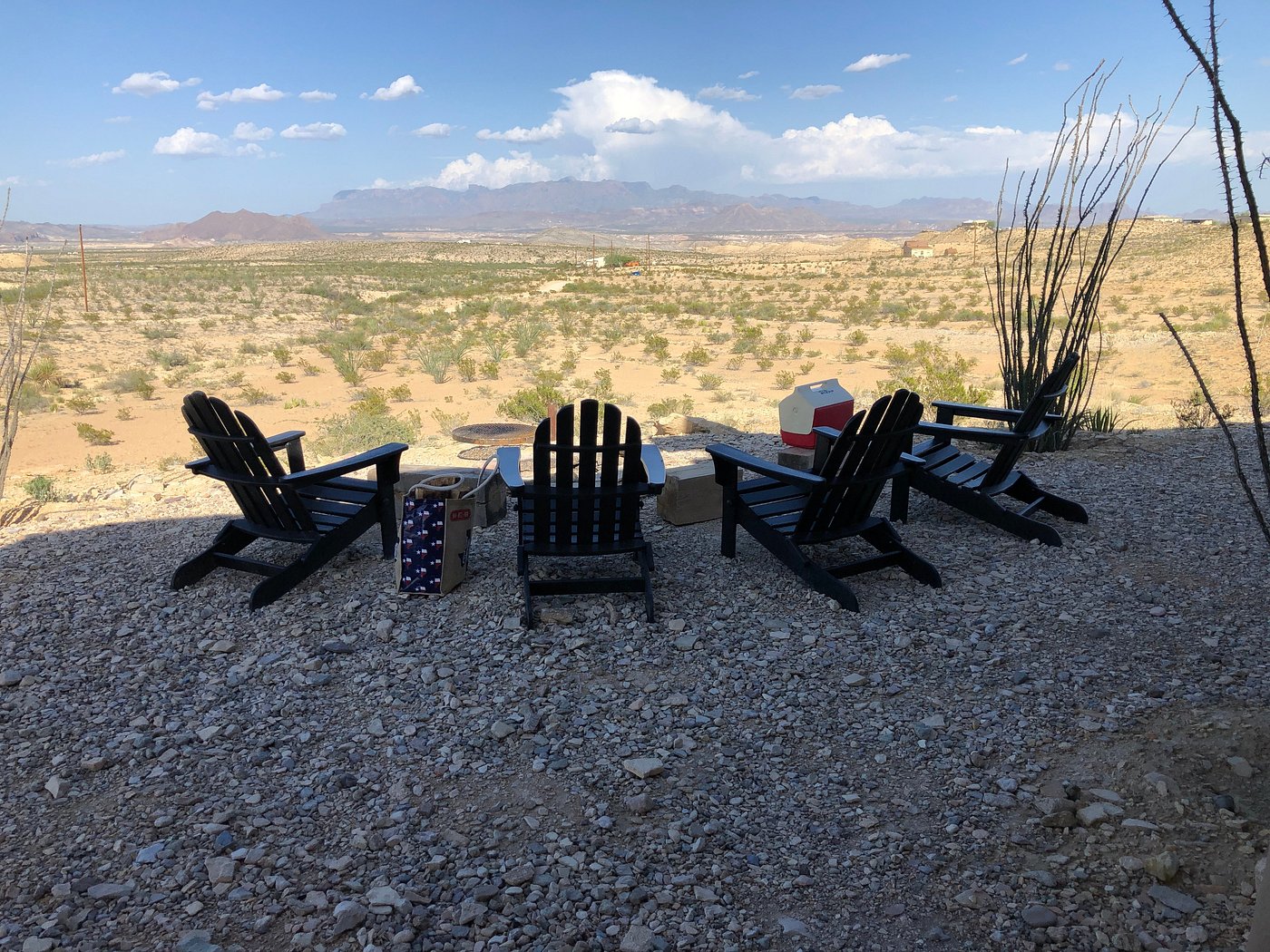
Ocotillo (Fouquieria splendens) stands bare and dead-looking until a rain. With moisture it sprouts fresh green leaves in a few days, which fall as soon as the moisture is used up. The bare thorn-laden stems once again wait patiently for rain.
The pads of the Prickly-pear (Opuntia species) are actually the stems of the plant. The pads lose their tiny leaves when very young. The familiar spines, which evolved from leaf tissue, serve to shade the pad surface as well as guard it from being eaten.
Vegetation Types
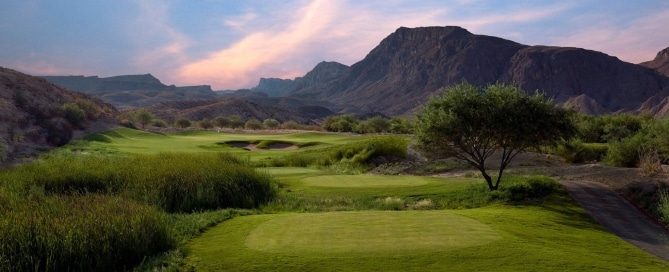
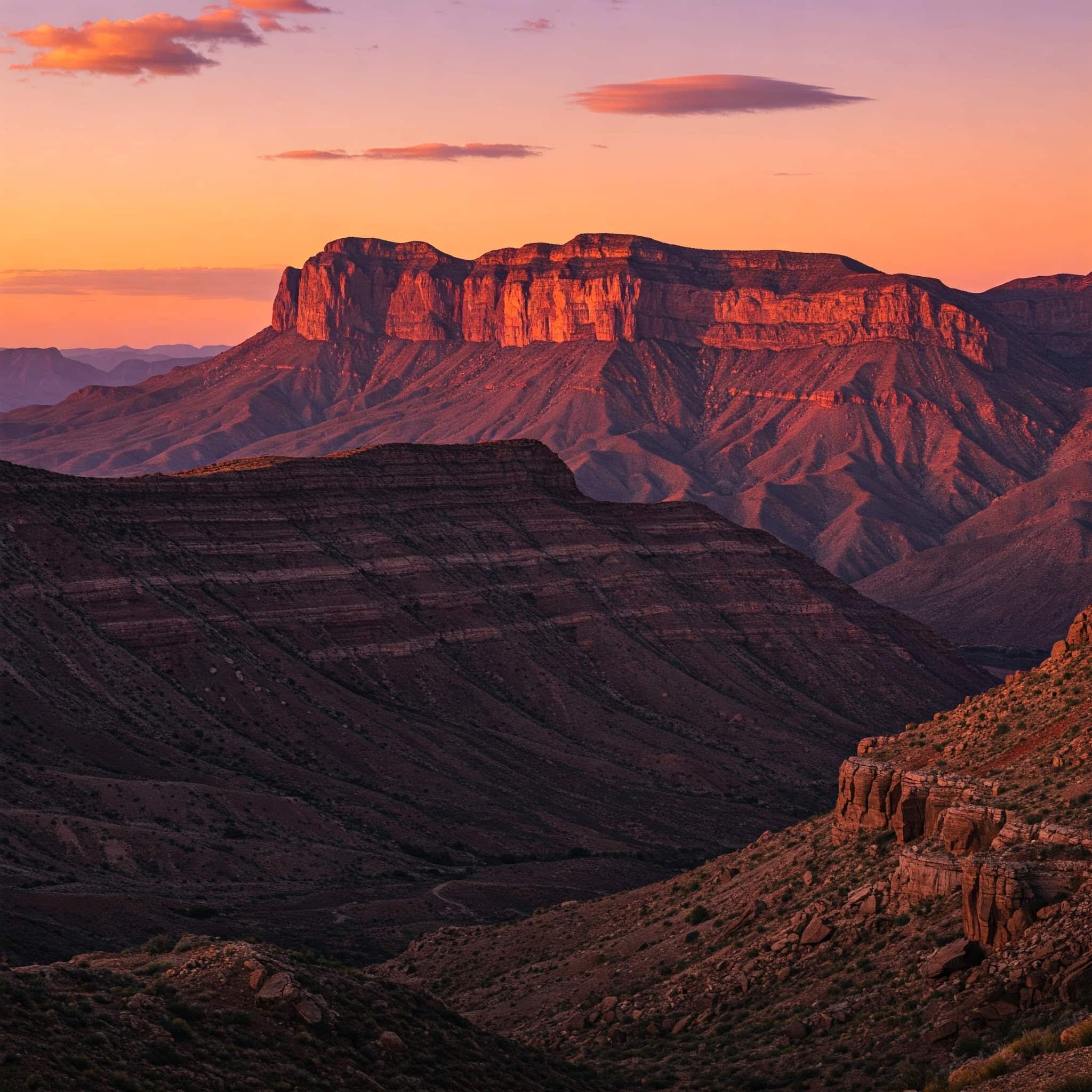
A wide variety of plants grow in the Big Bend. Elevation, rainfall, and soil types dictate what plants grow in any particular location. The lowest elevations tend to be the driest. Shrubs and cacti dominate the low desert. As you climb higher into the mountains the vegetation becomes more and more lush. The desert gives way to grasslands, which in turn give way to woodlands of oaks, junipers, and Pinyon Pines. At the highest reaches of the Chisos Mountains, Arizona Pine, Quaking Aspen, and Douglas-Fir trees whisper of a time long ago when the Big Bend received more rainfall.
Big Bend vegetation may generally be divided into five types:
1. Chihuahuan Desert Scrub - Shrubs and semi-succulent plants, such as Lechuguilla (Agave lechuguilla), Sotol (Dasylirion leiophyllum), and Yucca (Yucca species) are common in the lower elevations where rainfall is scant (7 to 12 inches per year) and evaporation is high. In some areas Creosote bush (Larrea tridentata), almost completely dominates the landscape. Thorny shrubs, such as Honey Mesquite (Prosopis glandulosa), and numerous Acacias (Acacia species) are common in the Chihuahuan Desert.
2. Grassland - Grasses cover many of the high plains and foothills at elevations of about 3500-5000 feet. Deeper soils and rainfall of 10 to 18 inches per year support grasses, such as Blue Grama (Bouteloua gracilis), Tobosa Grass (Hilaria mutica), threeawns, (Aristida species), needlegrass (Stipa species), and bluestems (Andropogon and Schizachyrium species). Early settlers, such as J. O. Langford in 1909, spoke of "endless miles of knee-deep to a horse". Subsequent over-grazing by livestock resulted in soil erosion that weakened the grasses and allowed the encroachment of desert scrub into many grassland areas, especially at lower elevations.
3. Oak-Juniper-Pinyon Woodland - Woodlands begin to intersperse with the upper grasslands above 3000 feet, depending on the slope and rainfall. Graceful trees, such as the Texas Madrone (Arbutus xalapensis) and Bigtooth Maple (Acer grandidentatum) hide in moist canyons. Pinyon Pines (Pinus species), junipers (Juniperus species) and various oaks, such as the Emory Oak (Quercus emoryi) dot the hillsides. North-facing slopes, east-facing slopes, and valleys harbor the densest woodlands. Look for the lovely Weeping Juniper (Juniperus flaccida) which in the U.S. is found only in the Chisos Mountains.
4. Pine-Oak Forest - The higher mountains have been described as biotic islands. The upper elevations are inhabited by organisms typical of more northern regions, but isolated from the northern populations by the surrounding desert lowlands. In the Davis Mountains, Ponderosa Pines (Pinus ponderosa) loom among oaks in protected canyons, on north slopes and at high elevations, where the cool mountain air invites more precipitation and lowers the rate of evaporative moisture loss. Quaking aspens (Populus tremuloides) and Chinkapin Oak (Quercus muehlenbergii) favor protected canyons of the upper slopes.
5. Riparian Communities - Just add water. Water, whether in a river, stream, or small spring, dramatically changes the vegetation of the area. Along the Rio Grande and many other water courses, two plants introduced from the Old World, Salt Cedar (Tamarix species) and Giant Reed (Arundo donax), are crowding out natives. Common Reed (Phragmites australis), Honey Mesquite (Prosopis glandulosa), and Desert Willow (Chilopsis linearis) are also common along rivers. Cottonwood (Populus deltoides), Seepwillow (Baccharis salicifolia), and Little Walnut (Juglans microcarpa) spring up near water sources. Throughout the ages, the sight of a lone cottonwood has led thirsty travelers to cool water.
Recommended Reading
Grasses of the Trans-Pecos and Adjacent Areas, by A. Michael Powell University of Texas Press, 1994.
Manual of the Vascular Plants of Texas, by D. S. Correll and M. C. Johnston Texas Research Foundation, 1970.
Trees and Shrubs of Trans-Pecos Texas, by A. Michael Powell Big Bend Natural History Association, Inc., 1988.
Wildflowers of the Big Bend Country, Texas, by B. H. Warnock Sul Ross State University Press, 1970.
Wildflowers of the Davis Mountains and Marathon Basin, Texas, by B. H. Warnock Sul Ross State University Press, 1977.