Drive to Big Bend

Routes, Drive Times & Road Tips to Big BendBig Bend sits deep in far West Texas. Whether you’re coming from El Paso, Midland/Odessa, San Antonio, Austin, Houston, or Dallas/Fort Worth, choose the route that matches your arrival town and the part of the park you want...
Drive from Houston

Houston to Big Bend: Best Routes, Drive Times & Road TipsThe trip from Houston to Big Bend is a true cross-Texas adventure—piney woods to Hill Country to wide-open desert. Expect roughly 8–9 hours of drive time and about 540–600 miles, depending on your route and...

Fly to Big Bend

Commercial & Private Air Travel Options for Big BendPicture yourself sweeping over endless West Texas plains, the sun glinting off distant mesas as you descend into the rugged embrace of Big Bend’s wild frontier. By flying into El Paso, Midland, or even chartering...

Travel to Big Bend by Train

Experience the Historic Sunset Limited Rail RouteBoard Amtrak’s Sunset Limited—the oldest continuously operating named train in the U.S.—for a scenic journey between New Orleans and Los Angeles. This route stops in Alpine, TX three times weekly, offering a relaxed way...

Vehicle Rentals to Big Bend

Convenient Vehicle Rental Options to Big Bend from El Paso, Midland, Alpine & MoreFlying in? Renting a vehicle at a major airport is the fastest, most reliable way to reach Big Bend National Park—and gives you the freedom to explore every scenic mile on your own...

Drive from San Antonio

San Antonio to Big Bend: Scenic Road Trip Highlights & Hidden Stops Along the WayAt roughly 430 miles, the journey from San Antonio to Big Bend National Park takes you from the Hill Country’s rolling hills into West Texas’s rugged desert. Plan for about 7–8 hours of...

Alpine

Hub of the Big Bend Region Alpine Welcome to Alpine, the heart of the Big Bend region and the area’s primary hub for travel, services, and everyday convenience. With more lodging, dining, shopping, and infrastructure than any surrounding community, Alpine serves as a...

Big Bend National Park

Iconic Landscape in Far West Texas Big Bend National Park Welcome to Big Bend National Park, one of the most extraordinary and remote landscapes in the United States. Located in far West Texas along a sweeping curve of the Rio Grande, the park is known for its desert...
Lajitas

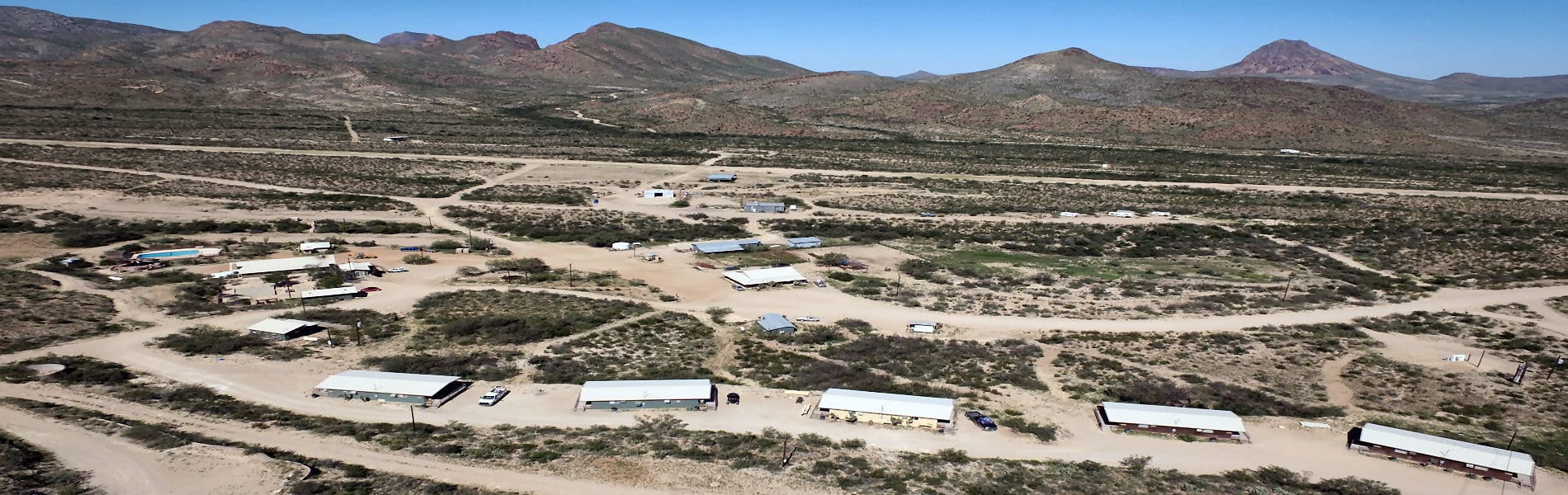
Resort Community in Big Bend Lajitas Welcome to Lajitas, one of the most unique destinations in the Big Bend region. Set along the Rio Grande and surrounded by rugged desert landscapes, Lajitas offers a rare combination of natural beauty and resort-style comfort in...
Terlingua

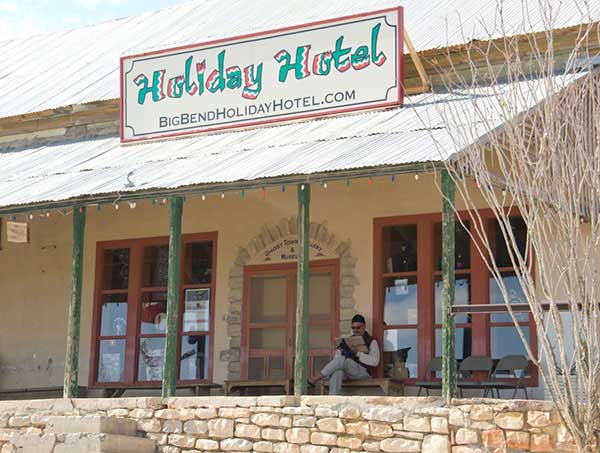
Historic Big Bend Community Terlingua Welcome to Terlingua, one of the most iconic communities in the Big Bend region. Known for its ghost town history, dramatic desert setting, and unmistakable personality, Terlingua offers visitors far more than a place to stay. It...
Study Butte

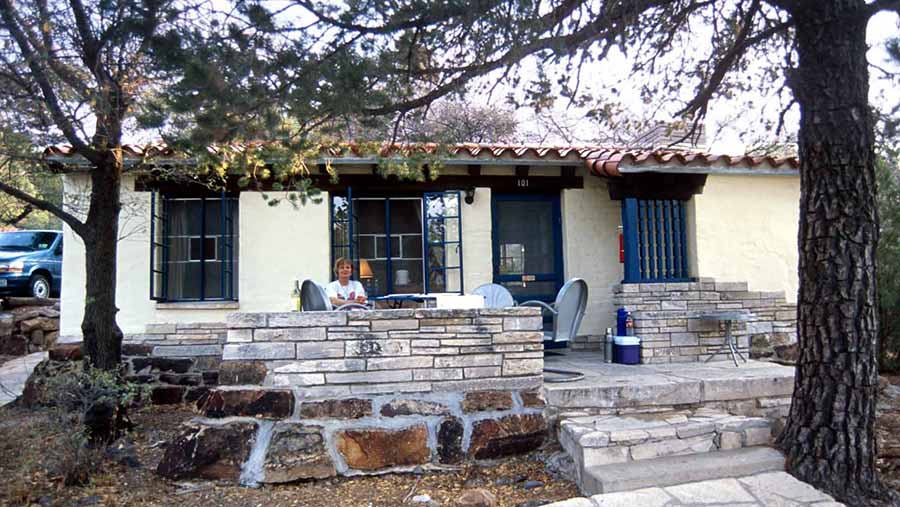
Big Bend Gateway Community Study Butte Welcome to Study Butte, the practical basecamp for exploring the Big Bend region. Located at the junction of TX 118 and FM 170, just outside the western entrance area of Big Bend National Park, Study Butte gives travelers the...
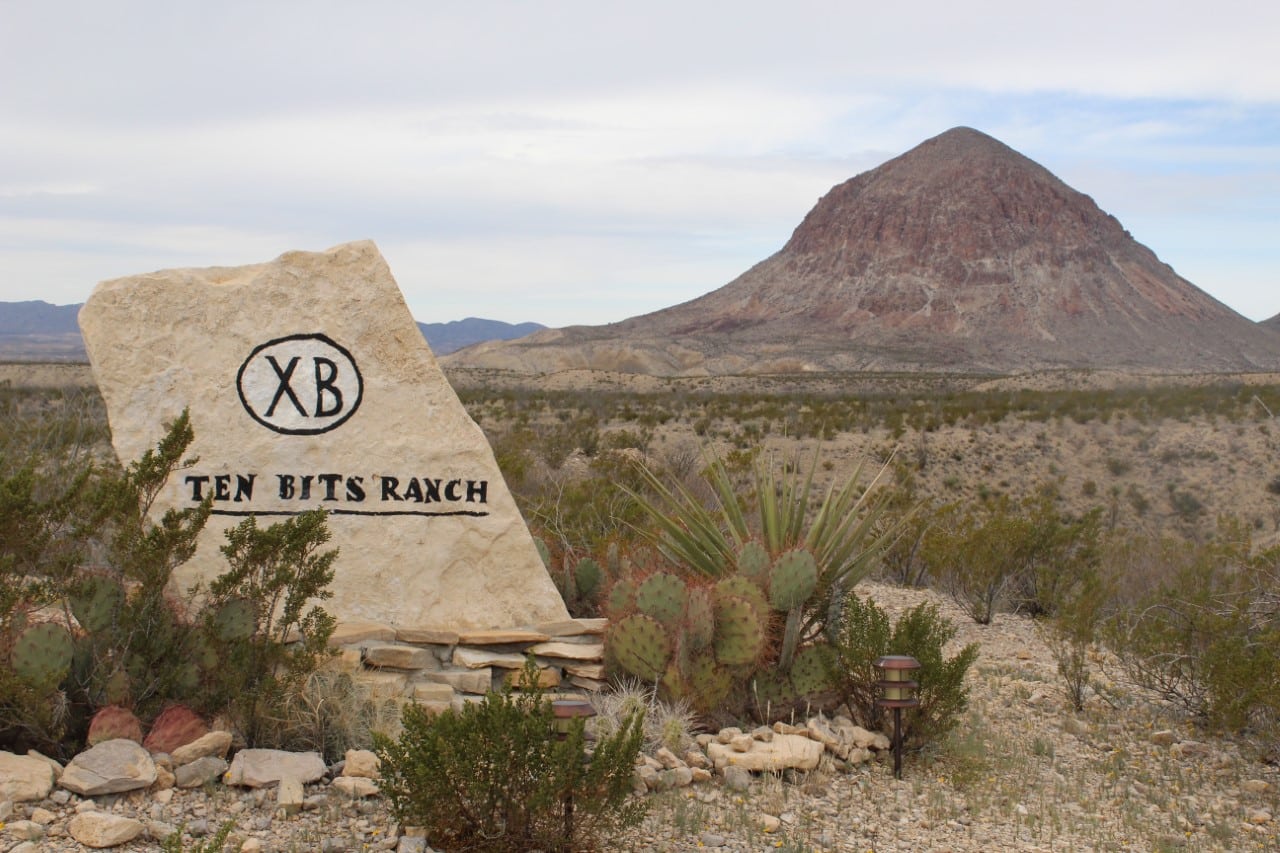
Marathon

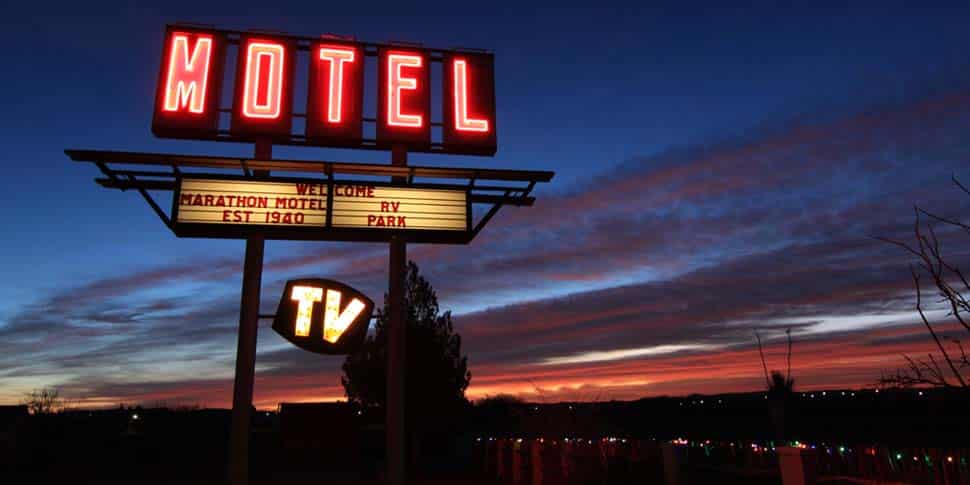
Historic Big Bend Gateway Town Marathon Welcome to Marathon, a quiet and distinctive West Texas town that offers a very different kind of Big Bend experience. Known for its historic charm, wide-open scenery, and slower pace, Marathon is a place where visitors come to...

BIG BEND NATIONAL PARK WEATHER

Big Bend

HISTORICAL OVERVIEW
A brief overview of Big Bend History
Big Bend History
Tracks across the centuries trail back thousands of years when the first Native Americans arrived in the Big Bend. Many different groups ebbed and flowed across the area, taking their living from native plants and animals found here. The oldest archeological site in Big Bend National Park is 8,800 years old.

The Big Bend Archeological Society
The hunter/gatherer lifestyle of those early peoples was interrupted in the 1500s when the first Europeans arrived – the Spanish. Shortly thereafter, the Mescalero Apache and the Comanche arrived in the Big Bend. Even though Spain claimed the Big Bend for 300 years, the Spanish never settled it. Nor did Mexico, which, after becoming independent from Spain, laid claim to these regions for another 50 years. Both the Spanish and Mexicans called the area El Despoblado (the uninhabited land). To them it was, because until well after they had given up their claim to the territory, the Mescalero and the Comanche controlled it.

After the Civil War, military posts were established, and mounted cavalry, mostly Buffalo Soldiers (Black troops), drove the Apache and Comanche to reservations in other areas.

In the 1880’s ranches sprang up and operated until the mid part of the 20th century. Much of the land that was ranched privately is now in either Big Bend National Park, or Big Bend Ranch State Park.
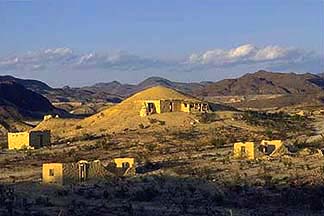
altIn the 1890’s, silver was found in nearby northern Mexico, and shortly thereafter, cinnabar was found throughout the Big Bend. A mining boom, which lasted about 20 years, occurred around the turn of the century. Other elements were taken, but the main production was of mercury which is refined from cinnabar.

In 1910, the Mexican Revolution broke out, and for more than ten years, the Big Bend became a danger zone. There were raids, pitched battles, and massacres on both sides of the Rio Grande. Due to strained relations between the countries, the United States and Mexico almost went to war. People like Pancho Villa, and General Pershing were major players in that chapter of the area’s history.

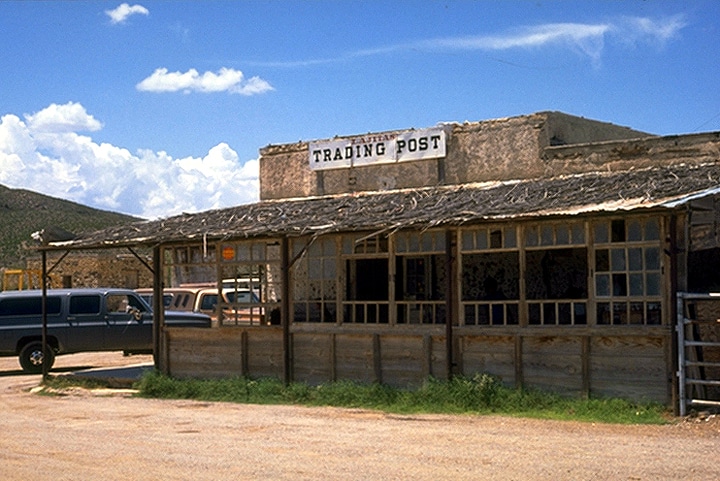
In 1944, a ten year effort by area citizens to establish a major park was culminated when Big Bend National Park was dedicated. At first, it was a remote park with no paved roads, virtually unknown to the general public, and South Brewster County around the park was scarcely inhabited. Only a few remote ranches dotted the landscape; Terlingua was a ghost town; Lajitas just a trading post.

In the sixties, the modern age of tourism began. By that time, the area was becoming known as a destination for adventure travelers, rafters, hikers, students of natural history, birders. River companies had been established, the first championship chili cookoff was held, and the Big Bend assumed a new identity.

In 1978, Lajitas Resort was built. Today, Lajitas prospers on a bluff overlooking the Rio Grande.

Terlingua Ghost Town is the home of a river company, trading company and a restaurant. Study Butte at the confluence of highways 118 and 170 has motels, restaurants, a bank, a post office, and a service station. In the national park, concessionaires offer lodging, food, and necessary services.

Since those first hunters crossed the desert regions of the Big Bend, the area has changed in many ways. Not only geographically but culturally. What was a harsh land to some, uninhabitable to others, has become a place where hundred mile viewscapes and technicolor sunsets offer solitude and reflection to some, adventure travel and nature study to others.

See our listings for information on accommodations, restaurants and services.

The archaeology and history of the Big Bend are intertwined – one extends the other. The movement of peoples, trade patterns, changes in climates, the arrival of the Apache, the Comanche, and the Spanish changed the course of history for the first residents of the area. The only record we have of the earliest of cultures we learn about and document through archaeological excavation and field study. Hearth sites and rock art are all that remain.

Time frames for the study of archeology and history:

Paleo Indian Period 10000 – 6000 BC
Hunter gatherers, small groups, nomadic, hunted mostly big game and some small. Spear most important weapon. Learned to herd buffalo over cliffs or trap them.

Archaic Period 6000 BC – AD 900
Depended more on small game and plants, because some big game – mammoths etc., – were extinct. Different type dart points than paleo Indian. Used grinding tools – metate, mano, bedrock mortars. Pit ovens common to bake plant roots, sotol, lechugilla. Ovens survive today as burned rock middens.

Late Prehistoric Period AD 900 – 1500
Introduction of Agriculture to some village settlements. New tools – bow appeared in Big Bend about 1000 AD. Prior to that, adle-adle and spear used. Pottery and arrow points are indicators of late prehistoric period. Some villages grew up, but many groups continued a nomadic lifestyle.

Historic Period AD 1500 – Present
The historic period began with the arrival of the Spanish. The introduction of guns and horses, the competition of land and the introduction of new diseases forever altered the lives of native Texas Indian groups.
visitbigbend

Amazing Big Bend sunrise captured by @marcusc_photo ☀️🙌#bigbend #nationalpark #westtexas #traveltexas #bigbendnationalpark #nps
"Deep inside a remote cave in Big Bend, archeologists have uncovered a pristine hunting kit — potentially the oldest intact weapon system in North America. This discovery offers a rare glimpse into the lives of ancient hunters, revealing tools, weapons, and even a folded pronghorn hide left untouched for thousands of years. Each artifact tells a story of survival, craftsmanship, and the deep connect between humans and the land." - @TexasParksWildlifeRead the full story in the March TPW Magazine linked in bio.#texasparks #nationalparks #visitbigbend #bigbendnps #bigbend #nps
Spring in West Texas means bluebonnets are back, covering the fields in a blue spectacle.It's a great time to see these iconic Texas flowers up close.Beautiful photo by @gooolsby#BluebonnetBloom #texasbluebonnets #bluebonnet #westtexas #traveltexas
Monsoon season has been good to the Big Bend region this year. When the rain falls, an incredible aroma of creosote plants comes to life as the water awakens the desert and fills the air with the earthy scent of nature's renewal.photo by @marcusc_photo#bigbend #visitbigbend #bigbendnationalpark #bbnp #nps #westtexas #marathontx #terlingua #marfa #traveltexas
Recent Posts
LAJITAS HISTORY

LAJITAS HISTORY

Lajitas is on the western edge of Big Bend National Park in southwestern Brewster County. It is at an altitude of 2,200 feet on a bluff overlooking the Rio Grande at the San Carlos ford of the old Comanche Trail, in the northern part of the Chihuahuan Desert and at...

MARATHON HISTORY

MARATHON HISTORY

Brief History of Marathon Texas Marathon  is located in a broad basin between the Glass Mountains to the north and the Del Norte-Santiago range to the south. This area is a transition zone between the higher mountain grasslands and the thorny chaparral of the...

MEXICO

MEXICO

Important information about travelling to Mexico As one old timer told a dewy-eyed tourist upon his first glimpse of the Rio Grande, "Boy, when you cross that river, you're in another country". Until recently, one of the great experiences to be enjoyed in Big Bend was...

6 IMPORTANT TIPS FOR VISITING THE BIG BEND

6 IMPORTANT TIPS FOR VISITING THE BIG BEND

The Big Bend is a remote region of West Texas that includes over one million acres of public land, Big Bend National Park, Big Bend Ranch State Park, and offers many activities, from camping and river rafting to horseback riding and off-road vehicle tours. But because...